
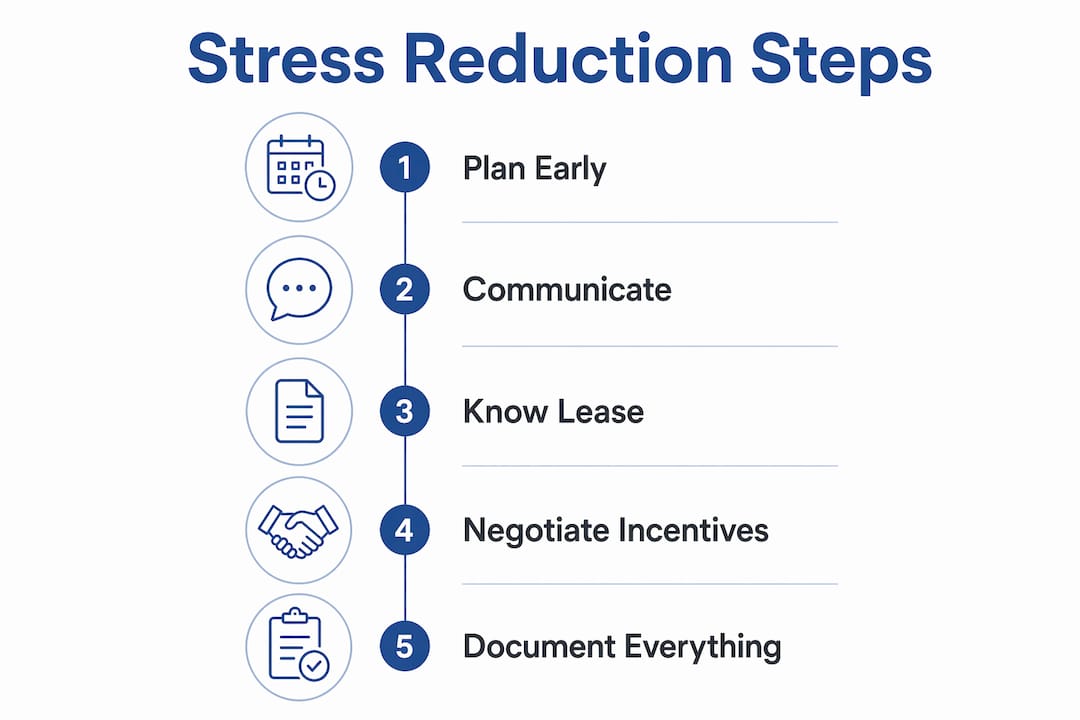
Selling a rental property is defined by one core challenge: managing tenants while meeting legal obligations at the same time. The strategies that most reliably reduce landlord stress during a property sale are early tenant communication, solid lease knowledge, and organized documentation. Landlords who plan ahead avoid the delays, disputes, and last-minute surprises that turn a straightforward transaction into a months-long ordeal. Whether you are dealing with a difficult tenant, a fixed-term lease, or a buyer who wants the property vacant, the right approach makes all the difference.
How to reduce landlord stress in a property sale
The single biggest source of stress for landlords selling rental properties is uncertainty. You do not know if your tenant will cooperate, whether your lease allows a quick sale, or what disclosures you legally owe a buyer. Addressing each of those unknowns early is the foundation of any stress-free property selling plan.
Start by reviewing your lease before you list the property. A fixed-term lease legally survives a sale, which means the new owner inherits your tenant and your obligations. That single fact shapes your entire timeline. If your tenant is on a month-to-month agreement, you have far more flexibility to negotiate a move-out or adjust terms.

Next, map out your local legal requirements. Most U.S. states require written notice to tenants after a property sale closes, with timing ranging from 5 to 30 days depending on jurisdiction. Knowing those deadlines before you list prevents scrambling later.
Why does open communication with tenants ease the selling process?
Industry experts recommend transparency with tenants as the most reliable way to increase showing cooperation and reduce conflict. Tenants who feel blindsided become uncooperative. Tenants who feel respected become partners in the process.
Tell your tenant about your sale plans as early as possible. Explain what the sale means for their lease, their security deposit, and their day-to-day life. Most tenants fear the unknown more than the actual change. A clear, honest conversation removes that fear.
Practical steps that build tenant goodwill include:
- Give advance notice of all showings, well beyond the legal minimum.
- Offer flexible showing windows that work around your tenant's schedule.
- Explain in writing how their lease and deposit will be handled after closing.
- Ask for their input on showing times rather than dictating a schedule.
Offering tangible incentives such as a rent discount, a cleaning bonus, or help with moving costs gives tenants a concrete reason to cooperate. A tenant who receives a $300 rent reduction in exchange for keeping the unit show-ready is far more likely to accommodate buyers than one who receives nothing.
Pro Tip: Send your tenant a simple one-page summary of what to expect during the sale process. Cover showing schedules, their lease rights, and your contact information. This one document eliminates most of the questions and anxieties that create friction.
How do lease agreements and local laws affect your sale?
Understanding your lease type is not optional. It determines what you can and cannot do during the sale process, and ignoring it creates legal exposure.
A fixed-term lease gives your tenant the right to stay through the lease end date, regardless of who owns the property. You cannot remove a tenant mid-lease without cause, and leases survive sales without exception. This is the legal constraint that catches the most landlords off guard. If your lease runs another eight months, your buyer must accept that reality or you must negotiate an early termination before closing.
A month-to-month tenancy gives you more control. Most states allow landlords to end a month-to-month agreement with 30 to 60 days' written notice, though local rent control ordinances can extend that window significantly.
| Lease type | Tenant removal timeline | Key landlord obligation |
|---|---|---|
| Fixed-term lease | Must wait until lease expires | Cannot evict without legal cause |
| Month-to-month | 30–60 days notice in most states | Written notice required |
| Expired lease (holdover) | Varies by state law | Treat as month-to-month in most jurisdictions |
Disclosure obligations add another layer. Buyers of tenant-occupied properties require full disclosure of lease agreements, security deposit amounts, and tenant status before closing. Failing to disclose creates legal liability and can unwind a deal at the last moment.
Pro Tip: Consult a real estate attorney before you list a tenanted property. A one-hour consultation costs far less than a delayed closing or a tenant dispute that lands in court.
What negotiation tactics work for early tenant move-outs?
An early move-out agreement, often called a cash-for-keys deal, is the most practical tool for landlords who need the property vacant before closing. The concept is simple: you offer the tenant something of value in exchange for leaving before their lease ends.
Here is a step-by-step approach that protects both parties:
- Assess willingness first. Have an honest conversation with your tenant before making any offer. Some tenants are eager to leave early and need only a small incentive. Others are firmly committed to staying. Knowing which situation you face saves time and money.
- Make a written offer. Specify the exact payment amount, the move-out date, the condition the unit must be left in, and what happens to the security deposit. Vague verbal agreements create disputes.
- Document everything in a signed agreement. All cash-for-keys deals must be fully documented in writing to eliminate future legal claims. Both parties sign before any money changes hands.
- Avoid pressure tactics. Threatening a tenant, cutting services, or making the unit uncomfortable to force a move-out is illegal in every U.S. state. It also destroys any goodwill and can result in significant legal penalties.
- Bring in a mediator if talks stall. A neutral third party, such as a real estate attorney or a professional mediator, can break a deadlock without damaging the landlord-tenant relationship.
The incentive amount varies by market and lease length. A tenant with two months remaining on a lease may accept one month's free rent. A tenant with eight months remaining will likely need a larger cash payment plus moving assistance.
How do you manage showings and maintenance with tenants in place?
Showings are where tenant cooperation becomes most visible and most fragile. A tenant who feels their privacy is being violated will find ways to make showings difficult. A tenant who feels respected will keep the unit presentable and accommodate buyers.
Advance notice and flexibility for tenants make inspections and property improvements far smoother. Most states require at least 24 hours' notice before entering a rental unit, but giving 48 to 72 hours builds more goodwill.
Key practices for managing showings and maintenance:
- Schedule showings in blocks rather than scattered throughout the week to minimize disruption.
- Always confirm the showing time with the tenant the day before.
- Handle any repairs or upgrades during times the tenant has already agreed to vacate.
- Use a professional property manager to coordinate showings if direct communication with your tenant is strained.
Professional property managers can coordinate tenant communications and property showings, removing you from the friction entirely. This is especially valuable when the landlord-tenant relationship has become tense.
Why does organized documentation protect you during a sale?
Documentation is the difference between a smooth closing and a deal that falls apart at the last minute. Buyers, title companies, and attorneys all need to verify the tenancy details before a sale can close.
Organized documentation prevents legal issues and eases the transaction process for everyone involved. A landlord who can hand over a complete file on day one signals professionalism and builds buyer confidence immediately.
Your documentation file should include:
- The current signed lease agreement and any amendments.
- All written notices sent to or received from the tenant.
- Security deposit records, including the original amount and any deductions.
- Maintenance requests and repair records.
- Any early termination agreements or cash-for-keys contracts.
Work with a real estate agent who has specific experience selling tenanted properties. General agents often underestimate how lease constraints affect buyer negotiations. A specialist knows how to present a tenant-occupied property as an asset, particularly to investors who want immediate rental income.
Key Takeaways
Selling a rental property with tenants requires early planning, clear communication, and solid documentation to avoid delays and legal problems.
| Point | Details |
|---|---|
| Communicate early with tenants | Tell tenants about the sale before listing to build cooperation and reduce conflict. |
| Know your lease type | Fixed-term leases survive a sale; month-to-month agreements offer more flexibility. |
| Document every agreement | Cash-for-keys and early termination deals must be signed in writing to be legally enforceable. |
| Disclose tenancy details to buyers | Provide lease agreements, deposit records, and tenant status before closing to avoid legal liability. |
| Use professional support | A real estate attorney and an experienced agent reduce errors and protect your timeline. |
What I have learned about managing landlord stress when selling
Landlords often tell me they expected the legal side of a tenanted sale to be the hard part. What actually breaks them down is the emotional weight of managing a relationship while also trying to close a deal. The tenant is not just a legal obligation. They are a person living in your property, and how you treat them during the sale shapes every step of the process.
The landlords I have seen handle this best are the ones who lead with empathy. They tell the tenant early, they explain the process honestly, and they offer something real in return for cooperation. That approach does not just reduce friction. It often turns a potentially difficult sale into a straightforward one.
Proactive documentation and professional support are not optional extras. They are the infrastructure that keeps the deal on track when something unexpected happens, and something always does. A missing lease amendment or an undisclosed deposit dispute can delay closing by weeks. Having your file organized from day one removes that risk entirely.
Small gestures matter more than landlords expect. A flexible showing schedule, a written summary of tenant rights, or a modest rent reduction during the listing period costs very little. The goodwill it generates is worth far more than the dollar amount.
— Abel
Selling your rental property without the usual headaches
Tenant situations, lease constraints, and legal requirements make selling a rental property genuinely complicated. SLO Cash Buyer - San Luis Obispo County Home buyer works directly with landlords in San Luis Obispo County who need a faster, simpler path to closing.

SLO Cash Buyer - San Luis Obispo County Home buyer purchases properties in any condition, with tenants in place, and without requiring repairs, cleaning, or lengthy negotiations. There are no agent commissions, no hidden fees, and no open houses to coordinate around your tenant's schedule. If you are ready to move forward without the usual complications, get a cash offer and see how quickly a tenanted property sale can close when the process is built around your situation.
FAQ
How much notice must I give tenants before selling?
Most U.S. states require written notice to tenants within 5 to 30 days after a property sale closes, though some jurisdictions require pre-sale notice as well. Check your local landlord-tenant laws before listing.
Can I sell a rental property with a tenant still living there?
Yes. A tenant's presence does not prevent a sale, but their lease legally transfers to the new owner. The buyer inherits all existing lease terms and obligations.
What is a cash-for-keys agreement?
A cash-for-keys agreement is a written contract where the landlord pays the tenant a negotiated amount in exchange for vacating the property before the lease ends. The agreement must be signed by both parties and specify the payment, move-out date, and unit condition.
Do I have to disclose my tenant's lease to the buyer?
Yes. Buyers require full disclosure of lease agreements, security deposit amounts, and tenant status before closing. Failing to disclose creates legal liability and can void the transaction.
What is the fastest way to sell a rental property with tenants?
Selling directly to a cash buyer is the fastest option. Cash buyers, including SLO Cash Buyer - San Luis Obispo County Home buyer, purchase tenant-occupied properties without requiring vacant possession, repairs, or traditional listing timelines.