
A home inspection is a comprehensive evaluation of a property's major systems and structure that directly shapes the outcome of a sale. For sellers facing foreclosure, a tight relocation deadline, or an aging property, understanding the role of home inspection in sales is not optional. It is the difference between a deal that closes and one that falls apart at the last minute. Inspections create transparency, set realistic price expectations, and give both sides a documented basis for negotiation. The National Association of REALTORS® recognizes inspection contingencies as standard legal protections in purchase agreements, which means every seller needs to understand what inspectors find and why it matters.
What do home inspectors evaluate and why it matters to sellers?
A thorough home inspection covers six major categories: roof, foundation, plumbing, electrical, HVAC, and safety elements. Each category carries its own weight in a buyer's decision. A cracked foundation or outdated electrical panel signals risk. A clean HVAC report signals value.
Sellers who understand what inspectors look for can prepare proactively instead of reacting under pressure. The most common defects that delay or derail sales include:
- Roof damage or aging shingles that suggest imminent replacement costs
- Faulty electrical wiring or outdated panels that fail modern safety codes
- Plumbing leaks or corroded pipes that indicate deferred maintenance
- HVAC systems that are past their service life or not functioning properly
- Foundation cracks or water intrusion that raise structural red flags
- Safety issues such as missing smoke detectors, carbon monoxide alarms, or handrail violations
Each defect on this list is a potential negotiation point. Buyers use these findings to request repairs, ask for price reductions, or walk away entirely under the protection of an inspection contingency. That contingency gives buyers the legal right to exit a purchase agreement without penalty if major defects are found. Sellers who are caught off guard by these findings lose time, money, and momentum.
Pro Tip: Walk through your home before listing and note anything visibly worn, leaking, or outdated. Inspectors see the same things buyers do. Fixing small, obvious issues before the inspection removes easy ammunition from a buyer's negotiation list.

How do home inspections affect pricing and negotiation?
Inspection results shape every number on the table. A clean report supports your asking price. A report full of defects gives buyers leverage to push that price down. Knowing how to use inspection findings strategically is one of the most underused skills in real estate sales.
Here is how the negotiation process typically unfolds after an inspection:
- Buyer receives the inspection report. The buyer's agent reviews findings and identifies items to address before closing.
- Buyer submits a repair request or credit demand. This is either a list of repairs they want completed or a dollar amount they want deducted from the sale price.
- Seller evaluates each item. Not every finding requires action. Most major problems identified in home inspections are fixable or manageable, not automatic deal-breakers.
- Seller responds with a counteroffer. Options include completing specific repairs, offering a closing cost credit, or holding firm on price with documented evidence.
- Both parties reach an agreement or renegotiate. Sellers with a pre-existing inspection report have a documented baseline that limits how far buyers can push.
The smartest move a seller can make is to treat the inspection report as a financial document, not a personal critique. Inspection reports provide documented evidence that sellers can use to justify their price and push back on inflated repair demands. Without that report, sellers have no objective basis to moderate what buyers ask for.
One tactic that experienced sellers use is offering a closing cost credit instead of completing repairs. Negotiating closing cost credits or escrow holdbacks keeps the deal moving without requiring the seller to manage contractors or coordinate repairs on a tight timeline. This approach works especially well for sellers who need to close quickly.
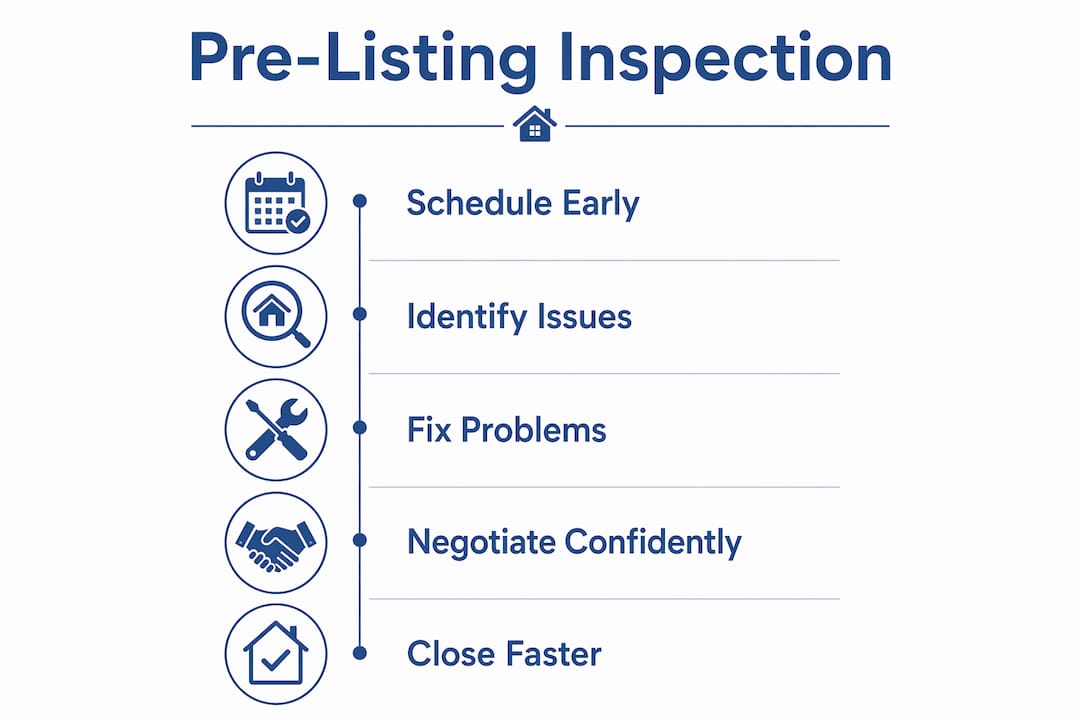
Pro Tip: If you choose to pre-inspect before listing, share the report with buyers upfront. This signals confidence, reduces buyer anxiety, and limits the scope of any second inspection they order.
What are the benefits of a pre-listing inspection for sellers?
A pre-listing inspection is one conducted by the seller before the home goes on the market. Most sellers wait for the buyer to order an inspection. That is a reactive position. Sellers who pre-inspect take control of the timeline and the narrative.
Pre-listing inspections enable sellers to fix issues before listing, which reduces the surprise points that jeopardize sales. Buyers who receive a clean or well-documented pre-inspection report feel more confident making an offer. That confidence often translates into stronger offers with fewer contingencies.
For sellers facing foreclosure or a relocation deadline, a pre-listing inspection is especially valuable. It removes the risk of a deal collapsing in the final week because a buyer's inspector found something unexpected. That kind of late-stage collapse is devastating when you are working against a hard deadline.
| Factor | Pre-listing inspection | Buyer-initiated inspection |
|---|---|---|
| Timing | Before listing | After offer accepted |
| Seller control | High | Low |
| Surprise risk | Low | High |
| Negotiation leverage | Strong | Reactive |
| Deal momentum | Maintained | Potentially disrupted |
| Cost responsibility | Seller pays upfront | Buyer pays |
The table above shows a clear pattern. Pre-listing inspections shift control to the seller at every stage. The upfront cost is modest. A professional home inspection typically costs $300–$500 and can save thousands on unforeseen repair demands or price reductions. That return on investment is hard to argue with.
Pro Tip: Order your pre-listing inspection at least three to four weeks before your target listing date. That gives you time to get repair quotes, decide what to fix, and price the home accurately based on real data.
How does inspection knowledge help sellers facing urgent challenges?
Sellers under pressure, whether from foreclosure, divorce, job relocation, or an inherited property, face a specific set of risks that inspection knowledge directly addresses. The biggest risk is not the inspection itself. The biggest risk is being surprised by it.
Here is how inspection awareness helps sellers in difficult situations manage those risks:
- Realistic pricing from the start. Sellers who know their home's condition can price it accurately. Overpricing a home with known defects leads to price reductions later, which signals desperation to buyers.
- Faster decisions on repairs versus credits. When you already know what needs fixing, you can decide immediately whether to repair, offer a credit, or reduce the price. That speed keeps deals alive.
- Fewer last-minute renegotiations. Pre-listing inspections give sellers transparency and control, substantially reducing the last-minute buyer surprises that kill deals under pressure.
- Legal protection through contingency awareness. Understanding how an inspection contingency works helps sellers anticipate when a buyer might try to exit and respond with documented evidence rather than panic.
- Clearer communication with buyers. Sharing inspection findings proactively builds trust. Buyers are far less likely to walk away from a seller who is transparent about the home's condition than one who appears to be hiding problems.
Sellers facing foreclosure often feel they have no leverage. That is not accurate. A well-documented inspection report is leverage. It tells buyers exactly what they are getting, removes uncertainty, and often accelerates the decision to close. Inspections serve as a form of financial protection against the kind of unknown repair costs that can derail a sale or push a buyer to demand a steep discount.
Key Takeaways
A home inspection is a seller's most reliable tool for controlling price, reducing negotiation risk, and closing deals faster under any timeline.
| Point | Details |
|---|---|
| Inspection shapes negotiation | Documented findings give sellers an objective basis to push back on inflated buyer repair demands. |
| Pre-listing inspections reduce risk | Ordering an inspection before listing removes late-stage surprises that collapse deals under deadline pressure. |
| Credits beat repairs for speed | Offering closing cost credits instead of completing repairs keeps deals moving without contractor delays. |
| Foreclosure sellers benefit most | Sellers under financial pressure gain the most from knowing their home's condition before buyers do. |
| Cost is low relative to savings | A $300–$500 inspection can prevent thousands in last-minute price reductions or failed closings. |
Why I think sellers fear inspections for the wrong reasons
Most sellers I talk to treat the inspection like a test they might fail. That framing costs them money. An inspection is not a judgment. It is a financial map of the property you are selling.
The sellers who come out ahead are the ones who use that map offensively. They find the issues first, decide how to handle them, and walk into negotiations with a clear position. The sellers who wait for the buyer's inspector to find everything are always playing defense. They react to findings instead of managing them.
I have seen sellers in foreclosure situations assume their home's condition made a fast sale impossible. In most cases, the condition was manageable once it was documented. The problem was never the house. The problem was the uncertainty around the house. Removing that uncertainty, through a pre-listing inspection or a frank conversation about known issues, almost always moves a deal forward faster than any repair ever could.
The inspection report is not your enemy. It is the most honest document in the entire transaction. Sellers who treat it that way close faster, negotiate better, and leave the table with fewer regrets.
— Abel
Selling fast in San Luis Obispo? Slocashbuyer can help
If you are facing foreclosure, a relocation deadline, or a property that needs significant work, the inspection process can feel like one more obstacle. Slocashbuyer removes that obstacle entirely.

Slocashbuyer purchases homes in any condition for cash in San Luis Obispo, CA, with no repairs required, no agent fees, and no lengthy negotiations. You skip the inspection contingency risk, the repair requests, and the waiting. If you need to sell your house fast and want a fair cash offer without the usual back-and-forth, Slocashbuyer makes the process straightforward from the first call to closing. Reach out today and find out what your home is worth.
FAQ
What is the role of home inspection in sales?
A home inspection evaluates a property's major systems and structure, giving buyers and sellers documented evidence of the home's condition. This evidence directly shapes price negotiations, repair requests, and whether a deal closes.
Does a bad inspection report mean the sale will fall apart?
Not usually. Most major problems found in home inspections are fixable or manageable and rarely end a sale outright. Sellers can respond with repair credits, price adjustments, or documented evidence to keep the deal moving.
What is a home inspection contingency?
A home inspection contingency is a clause in a purchase agreement that allows buyers to exit the deal without penalty if a major defect is found. Sellers who understand this clause can prepare documentation to address findings before they trigger a walkout.
Should sellers get a pre-listing inspection?
Yes. A pre-listing inspection gives sellers control over timing and findings before buyers are involved. It reduces last-minute renegotiations and builds buyer confidence, which often leads to stronger offers.
How much does a home inspection cost?
A professional home inspection typically costs $300–$500. That cost is small compared to the thousands sellers can lose in last-minute price reductions or failed closings caused by unexpected findings.