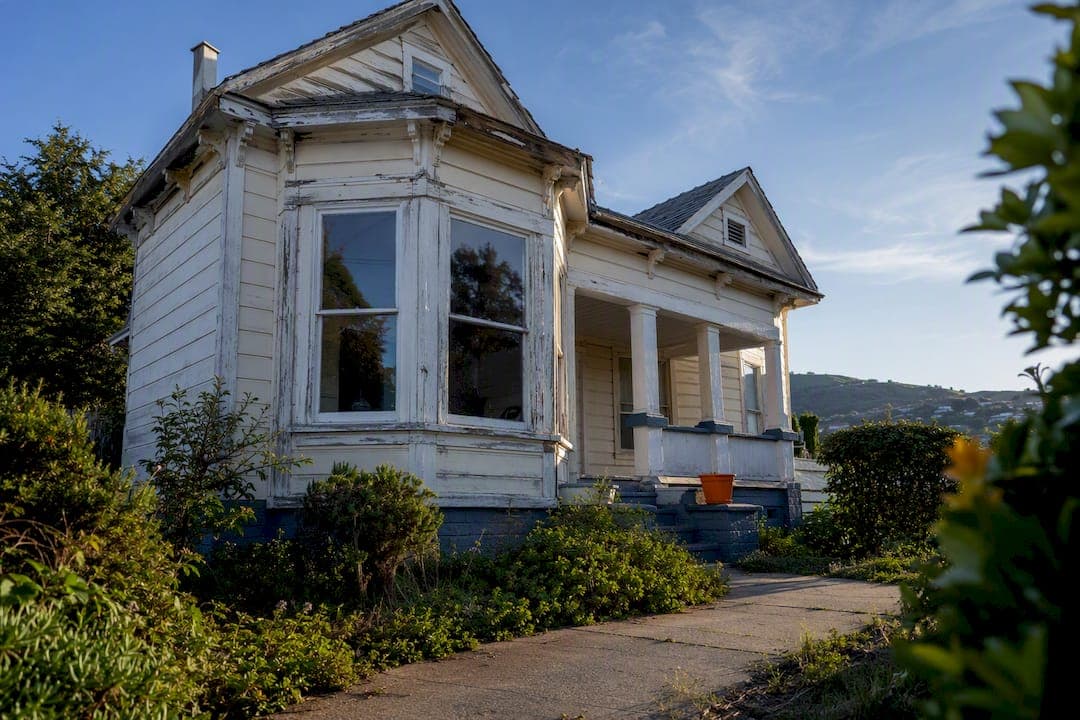
If you need to sell a fixer fast in San Luis Obispo, your quickest practical route is a local cash buyer that purchases the home as-is and closes in days or weeks, not months. You skip repairs, cleaning, and agent negotiations entirely. SLO Cash Buyer is one such local option built around exactly this kind of sale. Read on for the legal disclosures, real pricing math, and vetting steps that make sure whichever path you pick is the right one.
TL;DR:
- Cash buyers typically close in 7 to 14 days in California, offering a quick solution especially for urgent situations like foreclosure or probate.
- Sellers must provide a Transfer Disclosure Statement regardless of "as-is" terms, ensuring transparency about known property issues and avoiding legal complications.
- Offers on fixer homes usually reflect a discount to the after-repair value, with deductions for unpermitted work, major system issues, or occupied tenants.
- Light repairs, such as painting or decluttering, can boost sale value but are unnecessary if the seller's timeline or budget are limited.
- Vetting reputable buyers involves verifying proof of funds, confirming escrow contacts, and avoiding high-pressure tactics to prevent fraudulent or unfavorable deals.
Table of Contents
- Quick Options for Selling a Fixer in San Luis Obispo
- California Disclosure and Legal Essentials for Selling As-Is
- How Investors Price a Fixer: The Cash-Offer Math
- How to Choose Between a Cash Buyer and Listing With an Agent
- Local Evidence: How SLO Cash Buyer's Process Actually Works
- Step-by-Step: Getting Offers and Closing in Days, Not Months
- What SLO Sellers Get Wrong Most Often
- Get a Cash Offer on Your Fixer This Week
- Primary Legal and Local Resources
- Sources
- FAQ
Quick Options for Selling a Fixer in San Luis Obispo
Homeowners with a fixer-upper on their hands generally have two realistic paths, and the right one depends less on the house and more on your timeline and tolerance for hassle.
A direct cash sale trades some sale price for speed and certainty. You sign, you get an offer, you close, often within one to two weeks. There's no waiting for buyer financing to clear, no staging, no repair punch list from a home inspector. The tradeoff is that a cash buyer builds their margin into the offer, so the number will typically land below what a fully renovated home would fetch on the open market.
Listing as-is with an agent can produce higher net proceeds, especially in a competitive SLO neighborhood, but it comes with a longer runway. You're looking at weeks for showings, negotiation, buyer financing, and inspection contingencies, plus the standard agent commission at closing.
There's a middle path worth mentioning: light presentation work before listing. Local advisors often point out that small, inexpensive improvements, fresh paint, decluttering, basic landscaping, tend to return more value than a full remodel would ever justify on a fixer, according to Pillar Real Estate's renovation guidance. If your budget and timeline allow for a weekend of cleanup, it can move the needle. If they don't, skip it and sell as-is.
Which route fits depends heavily on your situation:
- Facing foreclosure: speed matters more than maximizing price. A cash sale can close before the bank's timeline forces your hand.
- Handling an inheritance or probate property: cash buyers simplify a process that's already tangled in paperwork and, often, family logistics.
- Relocating for work or family: a fixed, fast closing date lets you plan the move without an open-ended listing hanging over you.
- A tired landlord with a problem tenant or deferred maintenance: cash buyers frequently purchase occupied properties as-is, sidestepping the eviction and repair cycle altogether.
If none of those describe you and you have time to spare, listing with an agent after some light prep work may net you more money. If any of them do, a direct cash offer is worth getting before you commit to either path.
California Disclosure and Legal Essentials for Selling As-Is
Selling "as-is" in California does not mean you can skip disclosures. That's the single biggest misunderstanding sellers have going into this process, and it's worth getting right before you sign anything.
California law requires every home seller to provide a Transfer Disclosure Statement (TDS) under Civil Code §1102, spelling out known material facts about the property's condition. This obligation exists regardless of price, buyer type, or how the listing is worded. An "as-is" sale changes who's expected to fix problems; it does not change what you're required to tell the buyer about.
Statistic Callout: Cash buyers in California commonly close in 7 to 14 days, a fraction of the 30 to 45 days a financed sale often takes once inspections and loan underwriting are factored in.
On top of your own disclosure duty, listing agents carry an independent legal obligation. Under Civil Code 2079, a broker must visually inspect the property and disclose material defects they can reasonably observe, whether or not the seller mentions them. Sellers, including those who go it alone without an agent, still need to disclose everything they personally know, according to LegalClarity's breakdown of as-is disclosure rules.
Buyers in a traditional sale also retain inspection rights during a contingency period, typically written into the purchase contract, giving them the ability to walk away or renegotiate if they find something serious. Even in a cash sale, most reputable buyers will still do a walkthrough or basic inspection before finalizing terms.
Practical steps that protect you legally:
- Write down every known issue before you talk to any buyer, roof leaks, foundation cracks, old plumbing, permit gaps.
- Be specific and honest on the TDS rather than vague. "Some water damage in the past" is safer and more accurate than saying nothing.
- Ask your escrow or title company about local recording fees and transfer tax before you sign, since these vary by transaction and get finalized at closing.
A recent local update on California disclosure rules covers the specifics further if your property has any history of unpermitted work.
How Investors Price a Fixer: The Cash-Offer Math
Most cash buyers use some version of the same formula, and understanding it helps you judge whether an offer is fair or lowball before you say yes.
Offers reflecting a discount to ARV are standard practice among California cash buyers, according to AnytimeEstimate's guide to as-is sales.
Several factors push an offer up or down from that baseline:
- Repair scope. A cosmetic fixer (paint, flooring, landscaping) commands a much better offer than one needing foundation or roof work.
- Permit history. Unpermitted additions or remodels often mean the buyer has to budget for correction costs, which lowers the number.
- Major systems. Old electrical panels, aging HVAC, or septic issues get priced as deductions, not afterthoughts.
- Occupancy status. A tenant who won't leave, or a property mid-eviction, adds time and legal cost that shows up in a lower offer.
Your net proceeds also depend on seller-side costs that exist regardless of buyer type: California's documentary transfer tax, escrow and title fees, and any prorated property taxes or unpaid liens get settled at closing, according to LegalClarity's cost breakdown.
Here's a worked example. Say a fixer in SLO has an ARV of $550,000 based on comparable sales of renovated homes nearby, and repair estimates come in around $80,000 for a new roof, kitchen update, and foundation patch.
Pro Tip: Get at least two independent repair estimates on big-ticket items like the roof or foundation before you accept any offer. One contractor's number can swing wildly from another's, and a lowball repair estimate is one of the easiest ways an offer gets padded down unfairly.
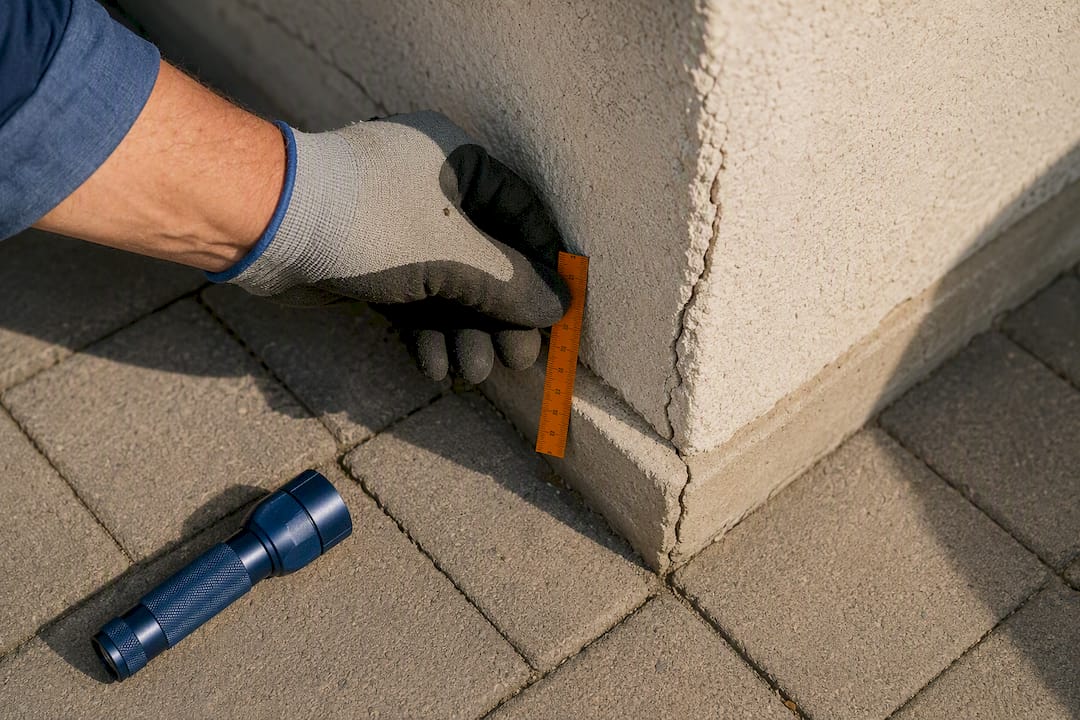
A more detailed walkthrough of this math, tailored to local comps, is available in this guide to pricing an as-is home accurately.
How to Choose Between a Cash Buyer and Listing With an Agent
Deciding between the two paths comes down to five practical questions, not gut feeling.
Ask yourself:
- What's my real timeline? If you need to close in under a month, a cash sale is likely your only realistic option.
- Am I prioritizing net proceeds or convenience? If maximizing sale price matters more than speed, listing with light prep may beat a cash offer.
- What's my repair budget? If you can't front cash for even basic fixes, that narrows things toward a cash buyer fast.
- Is the property occupied? Tenant situations complicate traditional listings far more than they complicate a cash sale.
- Is there legal urgency? Foreclosure deadlines, probate court timelines, or a pending divorce settlement often make speed non-negotiable.
Once you know which path fits, vetting matters just as much as the decision itself. Not every "we buy houses" buyer is legitimate, and a few red flags separate reliable local buyers from ones that will waste your time or worse.
Watch for these warning signs:
- No proof of funds provided when asked, or a vague answer about "having investors lined up."
- High-pressure tactics pushing you to sign within 24 hours with no room to think it over.
- Unclear or shifting fees that weren't mentioned in the first conversation.
- No named local escrow or title partner they've worked with before.
Before you sign anything, ask these exact questions:
- "Can you show me proof of funds or a pre-approval letter from your lender?"
- "Which escrow or title company will handle this closing, and can I contact them directly?"
- "Are there any fees I'll be responsible for at closing, and can you put that in writing?"
- "What happens if you decide to back out after we sign, and is there a cancellation clause?"
A written checklist for vetting quick buyers, including deeper detail on each of these points, is covered in this guide to vetting 'we buy houses' buyers. If a buyer hesitates or gets defensive answering any of the four questions above, that's your signal to pause and consult a local escrow officer or real estate attorney before moving forward. It costs you an afternoon. A bad contract costs you far more.
Local Evidence: How SLO Cash Buyer's Process Actually Works
Numbers and rules of thumb only tell part of the story. What actually happens on the ground in San Luis Obispo matters more to most sellers than a formula.
One case worth knowing about: a local homeowner facing foreclosure closed a cash sale in under two weeks, stopping the foreclosure process before it went further. That kind of timeline isn't the exception for a direct cash sale, it's closer to the norm when a seller needs to move fast and the property doesn't require complicated title work.
Speed alone isn't the whole value of a cash sale. What matters just as much is that the seller isn't asked to fix anything, clean anything, or negotiate repair credits after an inspection turns up a problem nobody expected.
The Cash Offer program is built around that idea specifically: no repairs required before closing, no hidden fees subtracted at the last minute, and an offer presented transparently so sellers know exactly what they're getting before they agree to anything.
The program is also structured to handle situations that a standard listing process struggles with:
- Inherited properties, where multiple heirs need a fast, clean resolution without months of listing prep.
- Occupied rentals with difficult tenants, where a traditional buyer's financing would fall through over occupancy issues.
- Relocation timelines, where a seller needs a firm closing date to coordinate a move across the state or out of it.
For sellers who'd still rather test the open market first, traditional listing support with a licensed agent is also an available option, so the choice between fast cash and top-dollar listing doesn't have to happen in a vacuum. More proof points, including additional local case examples, continue to be added as the SLO Cash Buyer's process serves more homeowners across the county.
Step-by-Step: Getting Offers and Closing in Days, Not Months
Once you've decided a fast sale makes sense, the actual process moves through four stages.
- Assemble your seller packet. Gather your title documents, a written list of known issues, a handful of current photos, and details on how a buyer or inspector can access the property.
- Request written offers with proof of funds. Don't accept a verbal number. Compare offers on a net-after-fees basis, not just the headline price.
- Choose an offer and open escrow. Expect a short inspection or contingency window, even in a cash deal, where the buyer confirms the property matches what was disclosed.
- Close and hand over keys. Sign closing documents through escrow, receive your funds, and the transaction is done.
| Stage | Typical Timeframe | What You Need to Prepare |
|---|---|---|
| Seller packet assembly | 1 to 2 days | Title docs, disclosure notes, photos |
| Offer collection and comparison | 2 to 5 days | Proof of funds from each buyer |
| Escrow and inspection window | 5 to 10 days | Property access, signed disclosures |
| Closing | 1 day | Final signatures, key handoff |
Most sellers who move efficiently through each stage land somewhere between one and three weeks from first contact to keys in hand.
What SLO Sellers Get Wrong Most Often
The most common mistake I see isn't underpricing a home. It's sellers either over-improving a property that didn't need it, or skipping disclosure because they assume "as-is" means "no questions asked." Neither serves you well.
Central Coast buyers, cash or traditional, expect honesty about a property's condition more than they expect perfection. A cash offer makes the most sense the moment your timeline, tenant situation, or repair budget makes a traditional listing genuinely impractical, not just less convenient.
— Abel
Get a Cash Offer on Your Fixer This Week
If the math and the timeline both point toward a fast sale, the next move is simple: get a real number in front of you before deciding anything. The Cash Offer program is a direct alternative to listing with an agent for homeowners in San Luis Obispo who don't have weeks to spend on showings, repairs, or financing delays. You get a transparent offer with no hidden fees subtracted later, no repair list handed back to you after an inspection, and a closing timeline built around your situation, not a buyer's mortgage approval.

Whether you're dealing with a foreclosure deadline, an inherited property tied up in probate, or a rental with a tenant situation that's dragged on too long, the process starts with a simple conversation. Request your cash offer today or check common questions about the program before you commit. Compare whatever number you receive against your own disclosure notes and any other offers on the table. If you'd rather explore light presentation upgrades first, a partner guide on simple home makeovers can help you figure out what's worth doing before you list. Either way, start with SLO Cash Buyer's home page to see what fits your timeline.
Primary Legal and Local Resources
- California Civil Code §1102 for the full text of disclosure requirements.
- Local as-is selling guidance for San Luis Obispo County specifics.
- Consult a local escrow or title officer for exact cost estimates before closing.
Sources
- California Civil Code §1102 — Transfer disclosure requirements
- Can You Sell a House As-Is in California? Disclosures & Risks - LegalClarity
- A No-Stress Guide to Selling a House As Is in California (2026) — AnytimeEstimate
- What Should You Renovate Before Selling a Home in SLO County? — Pillar Real Estate
FAQ
What Is the Best Cash Offer Company to Sell Your House To?
The best cash buyer for your situation is one that provides proof of funds, works with a named local escrow partner, and puts its offer terms in writing before you sign anything. SLO Cash Buyer meets that standard for San Luis Obispo homeowners and structures its Cash Offer program around transparent pricing with no repairs required.
What Is the Hardest Month to Sell a Home?
Winter months, particularly December and January, tend to see the slowest traditional listing activity nationally, since buyer traffic drops around the holidays. This mostly affects agent-listed sales; a direct cash sale isn't tied to seasonal buyer demand and can close on a similar timeline year round.
What Is the 3-3-3 Rule in Real Estate?
Definitions of this rule vary across sources, and it isn't a standardized legal or industry term. Rather than repeat an unverified version, sellers are better served focusing on the concrete cash-sale timeline covered above: offers gathered within days, escrow within one to two weeks.
What Should You Avoid Doing Before You Sell Your House?
Avoid starting expensive renovations before confirming they'll actually increase your net proceeds. Local advisors note that full remodels often underperform smaller updates like paint and landscaping on ROI, and skipping full disclosure of known issues is a legal risk regardless of how you sell.