
If you're searching for webuysfbay.com alternatives in the San Francisco Bay Area, the strongest options in 2026 are SLO Cash Buyer - San Luis Obispo County Home buyer, Simple Sale (HomeLight's cash offer platform), John Buys Houses Bay Area, Twin Home Buyer, and Brothers Buy Homes Bay Area. Each one buys homes as-is for cash, skips the repair and listing process, and can close far faster than a traditional sale. The table below gives you a side-by-side look at the details that matter most before you commit.
| Company | Service area | Offer process | Closing timeline | Reputation and BBB profile | Typical offer price and fees |
|---|---|---|---|---|---|
| SLO Cash Buyer - San Luis Obispo County Home buyer | San Luis Obispo County and nearby Central Coast | Phone or online inquiry, cash offer within 24 hours | 7–14 days, flexible | Transparent process, no hidden fees | Fair cash offer, no agent commissions or repair deductions |
| Simple Sale (HomeLight) | Bay Area and nationwide | Online form, multiple investor offers | 7–14 days | BBB-accredited, A rating | Offers vary by investor; service fee applies |
| John Buys Houses Bay Area | East Bay, Contra Costa, Alameda | Direct call or web form, offer within 24 hours | 7–14 days | BBB profile active, local reputation | Below retail; no listed hidden fees |
| Twin Home Buyer | San Carlos and Bay Area | Online inquiry, direct buyer contact | 7–14 days | BBB profile listed, LLC registered | Below retail; fee structure not publicly listed |
| Brothers Buy Homes Bay Area | San Francisco and Bay Area | Direct contact, cash offer | 7–14 days | BBB profile listed, local operation | Below retail; terms vary by property |
Every company listed here should be able to provide a proof-of-funds letter on request and confirm active registration with the California Secretary of State. That verification takes roughly 30 minutes and tells you immediately whether you're dealing with a real, operating business.
Why do Bay Area homeowners choose cash home sales?
The Bay Area real estate market moves fast, but life circumstances don't always align with a picture-perfect listing timeline. Cash sales solve a specific set of problems that a traditional MLS listing simply can't.
- Speed. Standard cash closings in the Bay Area run 7–14 days, with some buyers closing in as few as 5 days. A conventional sale with financing can take significantly longer, often over one month.
- No repairs required. Cash buyers purchase homes as-is. You don't need to fix the roof, update the kitchen, or deep-clean before listing.
- No financing contingencies. Traditional buyers can lose their loan approval days before closing. Cash deals remove that risk entirely.
- Certainty. When you accept a cash offer from a direct buyer, the deal is far less likely to fall through than a financed transaction.
- Urgent situations. Foreclosure, divorce, job relocation, inherited property, or a landlord ready to exit, these are all situations where a fast, clean sale takes real pressure off your shoulders.
- Reduced stress. No open houses, no staging, no waiting on appraisals. The process is private and direct.
The trade-off is real, though. Selling off-market to a cash investor typically means accepting less than you'd get from a fully marketed listing. Retail market exposure often yields $60,000–$150,000 more than an off-market cash offer, so the decision comes down to what you value more: speed and simplicity, or maximum price.
What are the pros and cons of cash home buying companies?
Cash buyers offer genuine relief for the right seller. They also carry real risks if you don't know what to watch for.
The benefits
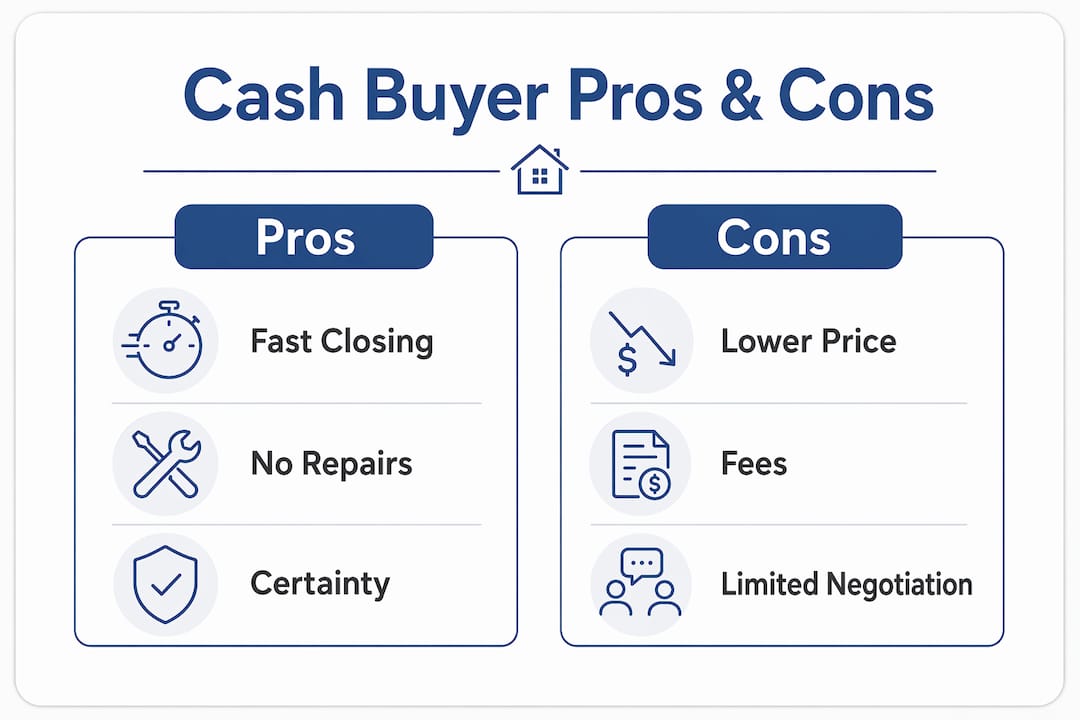
- Fast closing. Seven to fourteen days is standard, and some buyers can move even faster when needed.
- As-is purchase. No repairs, no cleaning, no staging costs out of your pocket.
- No agent commissions. Traditional sales typically cost 5%–6% in agent fees. Cash sales skip that entirely.
- Fewer contingencies. No appraisal contingency, no loan approval waiting period, fewer chances for the deal to collapse.
- Simplicity. One buyer, one offer, one closing. The process is direct and easy to follow.
The drawbacks
- Lower offers. Cash buyers offer less than after-repair value to cover their costs and profit margin. Owner-occupants, even for homes needing work, often pay closer to full market value.
- Equity risk. Limiting yourself to investor offers can cost you tens of thousands of dollars compared to a properly marketed listing.
- Wholesaler risk. Some companies that present themselves as buyers are actually wholesalers using assignment contracts. They put your home under contract and then sell that contract to a third party. If they can't find a buyer, the deal dies and you've lost weeks.
- Price squeeze tactics. Some buyers use inspection contingencies to manufacture repair demands late in the process, then push for steep last-minute discounts. Always require any repair request to be backed by an independent contractor estimate, not just the buyer's internal assessment.
- Hidden fees. Not every company is upfront about deductions. Ask for a full written breakdown before signing.
Pro Tip: Before you sign anything, ask the buyer directly: "Will your company be the entity that closes on this property?" A legitimate direct buyer answers yes without hesitation. A wholesaler who hedges or deflects is a warning sign.
How do you vet and verify cash buyers in the San Francisco Bay Area?
Legal oversight of cash buying companies is limited, which means the responsibility for protecting yourself falls squarely on you. The good news is that a solid vetting process takes less than an hour.
- Check the California Secretary of State. Verify the buyer's entity status at bizfileonline.sos.ca.gov. You want to see "active" and "good standing." This single step takes about 30 minutes and filters out a large share of fraudulent operators.
- Request a proof-of-funds letter. A real cash buyer can produce this within 24 hours. If they stall or make excuses, they likely don't have the funds to close.
- Check their BBB profile. Look at complaint history, not just the rating. A company with an A rating but a pattern of unresolved complaints tells a different story than the letter grade alone.
- Confirm a physical office or verifiable local operations. Legitimate buyers have a real presence. A company with only a website and a Google Voice number deserves extra scrutiny.
- Require a licensed escrow company. Closing at a neutral, licensed title company is one of the clearest signs of a legitimate transaction. Any buyer pushing for a "kitchen table closing" outside of escrow is a serious red flag.
- Review the contract for assignment clauses. Assignment clauses allow the buyer to sell your contract to a third party without your consent. Demand that clause be removed or clearly disclosed before you sign.
- Watch for pressure tactics. A legitimate buyer gives you time to review the offer. Anyone pushing you to sign within hours or warning that the offer expires immediately is using a pressure tactic, not a business practice.
Pro Tip: Ask the buyer to walk you through their repair cost deductions line by line, and request comparable sales data to support their offer price. Reputable buyers welcome that conversation. Those who avoid it or get defensive are telling you something important.
For inherited properties, the inherited property sale checklist from SLO Cash Buyer covers additional legal and entity verification steps worth reviewing before you engage any buyer.

How do you estimate your home's worth before accepting a cash offer?
Knowing your home's market value before you talk to any buyer is the single most effective way to protect your equity. Without a realistic number in hand, you have no way to evaluate whether an offer is fair or exploitative.
- Pull recent comparable sales. Look at homes similar in size, condition, and location that sold in the last 90 days. County assessor records and public MLS data are both free sources.
- Understand the retail vs. investor gap. A retail buyer, meaning an owner-occupant, often pays closer to full after-repair value even for homes that need work. An investor's offer is built around their profit margin and renovation costs, so it will always be lower.
- Factor in your home's condition honestly. A home needing $40,000 in repairs isn't worth the same as a move-in-ready comparable. But the discount a cash buyer applies is often steeper than the actual repair cost.
- Get a free market valuation. Many licensed agents offer no-obligation comparative market analyses. This gives you a realistic retail price anchor before you engage any cash buyer.
- Consider the full cost of a traditional sale. Agent commissions, carrying costs, staging, and time all reduce your net proceeds from a listed sale. A cash offer that looks lower on paper may net similarly after those costs are subtracted.
- Know the off-market equity cost. As noted earlier, retail market exposure often produces $60,000–$150,000 more than an off-market cash offer. That gap is real and worth understanding before you decide.
Understanding Bay Area home pricing with multiple offers can also help you see how competitive the retail market actually is for your property type, even when you're selling as-is.
How do you select the best cash buyer for your Bay Area home sale?
Not every cash buyer is the right fit for every seller. The best choice depends on what matters most to you: speed, price, certainty, or a combination of all three.
Start with offer amount, but don't stop there. A higher offer from a buyer who can't actually close is worth less than a slightly lower offer from someone with verified funds and a clean track record. Get at least two or three offers before making a decision. Multiple offers give you real leverage and a clear picture of what the market will actually pay for your home.
Communication responsiveness tells you a lot. A buyer who takes three days to return a call during the offer stage will likely be harder to reach once you're under contract. Pay attention to how quickly they respond and how clearly they explain their process.
Transparency on fees and repair deductions separates trustworthy buyers from problematic ones. Ask for a written breakdown of every deduction before you sign. A buyer who won't provide that in writing is not a buyer you want to work with.
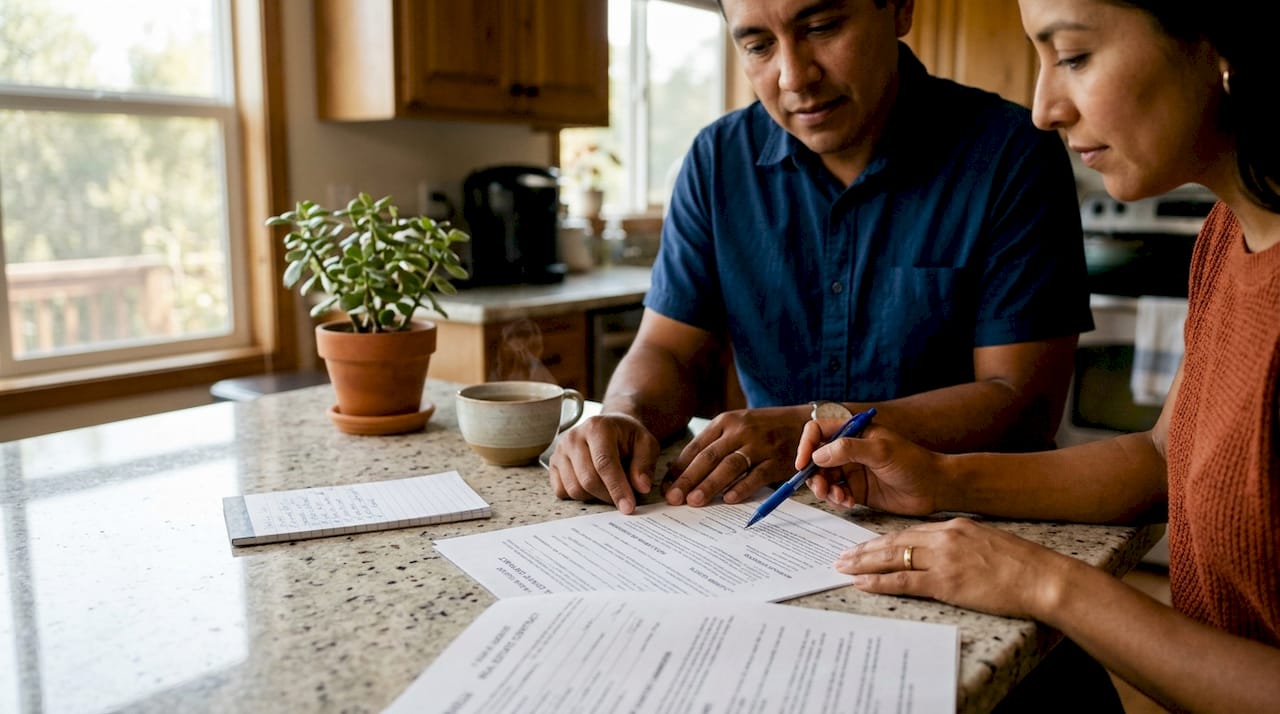
Closing timeline flexibility matters depending on your situation. Some sellers need to close in seven days. Others need 30–45 days to arrange their next move. Confirm that the buyer can work within your actual timeline, not just their advertised one.
Finally, align the buyer's strengths with your priorities. If speed is everything, prioritize buyers with a proven track record of fast cash closings and no contingencies. If price is the bigger concern, take the time to compare offers and consider whether an as-is MLS listing might serve you better. Selling your home as-is without repairs can still attract competitive retail buyers in the Bay Area, sometimes faster than you'd expect.
What do customer reviews and reputations reveal about these companies?
Reputation is where the real differences between cash buying companies show up. A company's BBB profile, Google reviews, and complaint history tell you far more than their website copy ever will.
Look for reviews that include specific details: the seller's situation, how the company communicated, whether the offer matched what was promised, and how the closing went. Vague five-star reviews with no context are easy to manufacture. Named reviewers describing real circumstances carry actual weight.
BBB complaint history deserves a close read. A company with zero complaints might simply be new or small. A company with complaints that were resolved quickly and professionally is often more trustworthy than one with a spotless but thin record. What you're watching for is a pattern of unresolved complaints, especially around price changes after signing or failure to close on time.
For the Bay Area companies listed in this article, all five maintain active BBB profiles. John Buys Houses Bay Area, Twin Home Buyer, and Brothers Buy Homes Bay Area each have publicly listed BBB profiles you can check directly. Simple Sale through HomeLight carries a BBB accreditation with an A rating. SLO Cash Buyer - San Luis Obispo County Home buyer operates with a commitment to transparency and no hidden fees, which is the baseline any reputable buyer should meet.
Word-of-mouth from neighbors, local real estate attorneys, or community groups in your specific Bay Area city can also surface reputation details that don't show up online. Don't underestimate that channel.
What questions should you ask alternative cash buyers before committing?
Asking the right questions upfront saves you from painful surprises later. These are the ones that matter most.
"Will your company be the entity that closes on this property?" This is the single most important question. It separates direct buyers from wholesalers immediately. A direct buyer says yes. A wholesaler may hedge, say "or our assigns," or avoid a direct answer.
"Can you provide a proof-of-funds letter within 24 hours?" Legitimate buyers have funds ready. If they need more than a day to produce documentation, that's a problem.
"Which title or escrow company will you use for closing?" The answer should be a licensed, neutral third-party escrow firm. If they suggest closing without one, walk away.
"Can you walk me through your repair cost deductions line by line?" A trustworthy buyer explains exactly how they arrived at their offer. They'll reference comparable sales and itemize repair estimates. Reluctance to do this is a warning signal.
"Does your contract include an assignment clause?" You want to know upfront whether the buyer can sell your contract to someone else. If the answer is yes, ask for it to be removed or clearly disclosed in writing.
"What happens if you can't close on the agreed date?" Get the answer in writing. Legitimate buyers have contingency plans. Vague answers here often predict problems later.
"Are there any fees, commissions, or deductions beyond what's in the offer?" No hidden fees is a promise that should be in writing, not just a verbal assurance.
How do you choose the best alternative based on your specific needs?
The right cash buyer for your situation depends on three things: your timeline, your financial floor, and your tolerance for complexity.
If your priority is speed above everything else, look for buyers with a documented history of closing in 7–14 days, verified funds, and no contingencies in their contracts. Confirm the closing timeline in writing before you sign. A buyer who advertises a 7-day close but routinely takes 30 days isn't actually fast.
If preserving equity matters more than speed, take the time to get multiple offers and compare them against a realistic market valuation. Consider whether an as-is listing on the MLS might attract retail buyers willing to pay more, even for a home in imperfect condition. The Mission District and Fremont seller's playbook offers a useful framework for thinking through that decision in specific Bay Area neighborhoods.
If you're facing foreclosure, an inherited property, or a situation with legal complexity, prioritize buyers who are experienced with those circumstances and who work with licensed escrow companies and real estate attorneys. The process needs to be clean and documented, not rushed.
For sellers who simply want the least stressful path, the criteria are straightforward: transparent offer, no hidden fees, proof of funds, licensed escrow closing, and a buyer who communicates clearly throughout. Those five things together describe a trustworthy transaction, regardless of which company you choose.
SLO Cash Buyer offers a straightforward path to a fast, fair home sale
If you're weighing your options and want a cash buyer that skips the runaround, SLO Cash Buyer - San Luis Obispo County Home buyer is built for exactly that. While the companies covered in this article serve the Bay Area, SLO Cash Buyer - San Luis Obispo County Home buyer specializes in San Luis Obispo County and the surrounding Central Coast, offering homeowners a direct, no-pressure cash offer without repair requirements, agent commissions, or hidden fees. The process is simple: reach out, get a fair cash offer within 24 hours, and choose a closing date that works for your schedule.
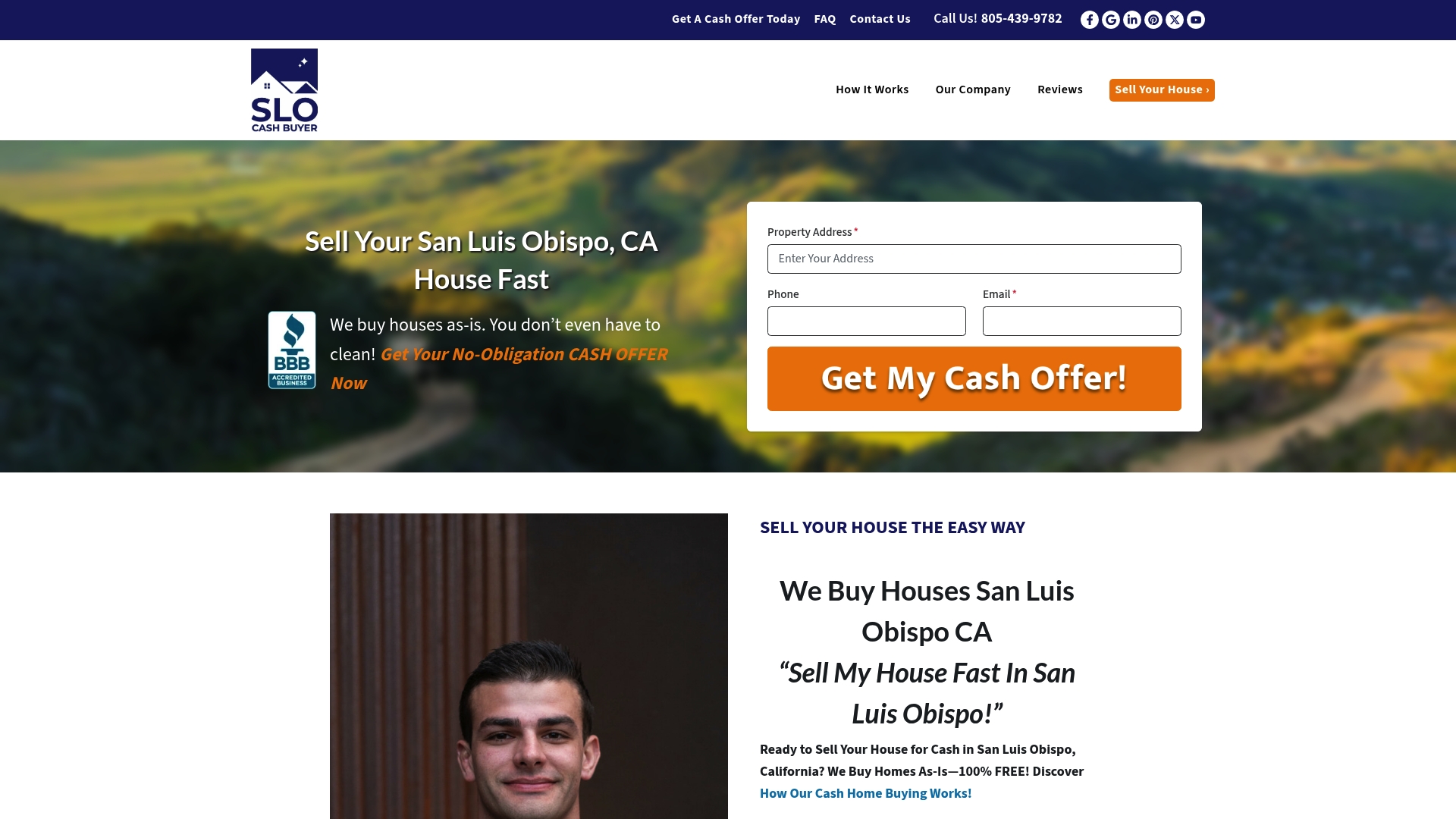
Whether you're facing foreclosure, dealing with an inherited property, or just ready to move on without the stress of a traditional listing, SLO Cash Buyer - San Luis Obispo County Home buyer handles the details so you don't have to. The team works with full transparency on offer calculations and uses licensed escrow for every closing. You can also explore the SLO Cash Buyer blog for additional guidance on comparing cash buyer options. When you're ready to get a real number on your home, visit slocashbuyer.com to request your cash offer today.
Key Takeaways
The strongest webuysfbay.com alternatives in the Bay Area are direct cash buyers with verified funds, active California entity status, and a licensed escrow process, because those three factors together separate legitimate buyers from wholesalers and predatory operators.
| Point | Details |
|---|---|
| Verify before you sign | Check every buyer's status at the California Secretary of State and request proof of funds within 24 hours. |
| Cash sales trade price for speed | Retail market exposure often yields $60,000–$150,000 more than an off-market cash offer. |
| Closing timeline standard | Legitimate Bay Area cash buyers close in 7–14 days; closings beyond 60 days signal wholesaler tactics. |
| Ask the assignment question | Always ask whether the buyer's company will be the entity closing on your property, not a third-party assignee. |
| SLO Cash Buyer - San Luis Obispo County Home buyer | Offers fair cash purchases in San Luis Obispo County with no hidden fees, no repairs required, and licensed escrow closings. |