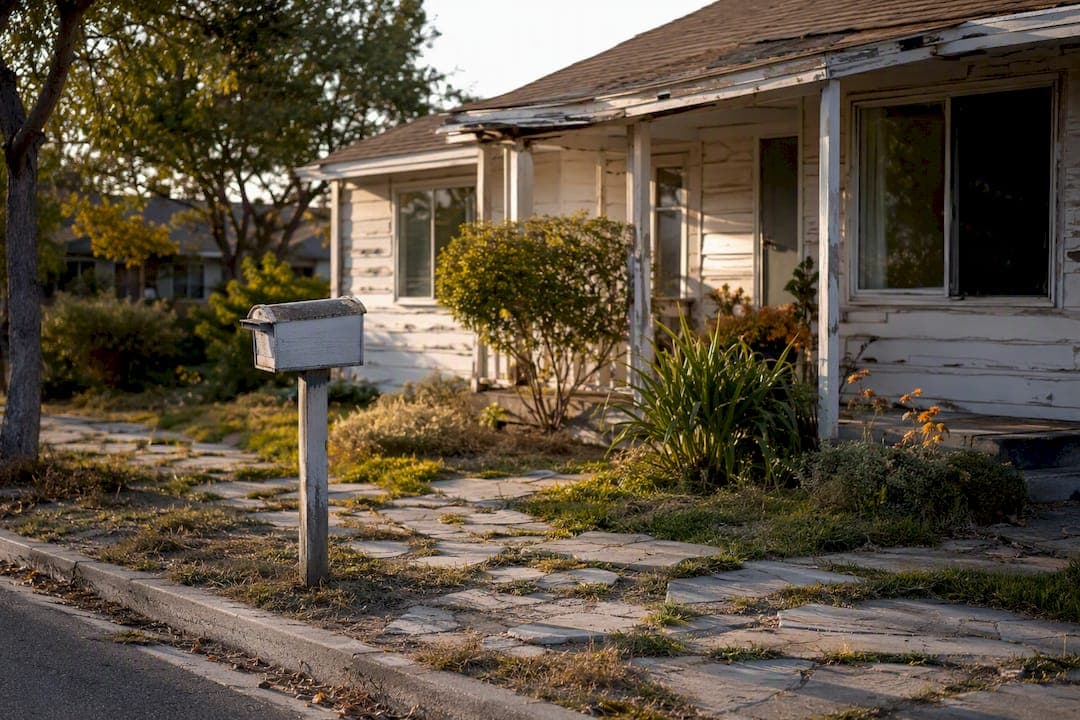
Most inherited homes show predictable deferred maintenance in the roof, electrical panel, plumbing, HVAC, and foundation. If you've just inherited a house and have no idea what shape it's in, your first move is a focused condition walkthrough followed by a few targeted inspections, not a full remodel and not a rushed listing. Inherited home condition issues common to older properties tend to cluster around the same systems, because those systems have finite lifespans and often get skipped when an aging homeowner can no longer manage upkeep.
Before you make any decisions about repairing, renovating, or selling, run through this:
- Check for active hazards first: no power in parts of the house, standing water, sagging ceilings, or gas odors mean you call a professional today, not next week.
- Walk every room, note the age of major systems (water heater, furnace, roof), and photograph anything that looks off.
- Order a general home inspection plus a sewer scope before you commit to a repair budget or a listing price.
Key Takeaways
Inherited homes most often need work on the roof, electrical panel, plumbing or sewer line, HVAC, and foundation, and those Tier 1 issues should drive your first decisions.
| Point | Details |
|---|---|
| Start with a walkthrough | Document safety hazards, leaks, odors, and system ages before ordering any professional inspection. |
| Order targeted inspections | A general inspection plus a sewer scope catches the two most commonly missed problems in older homes. |
| Know your cost tiers | Roof work runs $8,000 to $25,000 and panel replacement runs $2,000 to $6,000 in many markets. |
| Confirm insurance coverage | Vacant inherited homes often fall outside standard policies during probate, leaving a liability gap. |
| Weigh your real options | Repair and sell, sell as-is, or sell to SLO Cash Buyer - San Luis Obispo County Home buyer for a fast, no-repair cash close when time or family agreement is limited. |
Table of Contents
- Common Inherited Home Condition Problems and Why They Matter
- How to Assess an Inherited Home Before Deciding What to Do
- What It Actually Costs to Fix Common Inherited Home Problems
- Weighing Your Options for the Inherited Property
- Condition Issues That Kill Deals and Complicate Insurance
- Tax Implications of Inheriting a Property
- How Neighborhood and Location Affect an Inherited Home's Value
- Insurance Gaps and Liabilities on an Inherited Home
- Family Dynamics When Deciding What to Do With an Inherited Home
- Sources
Common Inherited Home Condition Problems and Why They Matter
Some issues are cosmetic annoyances. Others determine whether a lender will even approve a buyer's loan. Knowing the difference saves you from spending money in the wrong place.
- Roof age and condition. Asphalt shingle roofs typically last 15 to 20 years, and a roof past that window is one of the most common findings inspectors flag in estate properties. Missing shingles, curling edges, or stains on interior ceilings signal active leaks that lenders and insurers will not ignore.
- Plumbing and sewer lines. Polybutylene pipe, galvanized steel, and clay sewer lines all show up disproportionately in inherited properties. Root intrusion and pipe bellies in old sewer lines rarely show symptoms until a backup happens.
- HVAC and mechanicals. Furnaces and air conditioners generally last 15 to 20 years. If nobody replaced the system since the original install, expect it to be near or past that mark.
- Foundation, grading, and drainage. Cracks that widen, doors that stick, and water pooling near the foundation after rain point to grading problems that get worse and more expensive the longer they sit.
- Hazardous materials. Homes built before 1978 may need lead paint testing, and pre-1980 construction often warrants asbestos testing before any renovation work begins, according to inspection guidance for older homes.
- Cosmetic versus system-level wear. Buyers tolerate dated paint and worn carpet. They do not tolerate an unsafe panel or a roof that's actively leaking, and lenders won't finance around either one.
A quick gut check: if the issue is behind a wall, under the house, or tied to safety code, treat it as a priority. If it's paint, flooring, or fixtures, it can typically wait.
How to Assess an Inherited Home Before Deciding What to Do
Walk the property with a notepad and a phone camera before you call anyone. Start outside: look at the roofline for sagging or missing shingles, check the foundation perimeter for cracks, and note any pooling water near the house. Move inside room by room, checking for water stains on ceilings, soft spots in flooring, working outlets, and whether the HVAC actually turns on and blows air at the right temperature.
Document everything as you go.
- Photograph appliance labels and system data plates to record ages of the water heater, furnace, and electrical panel.
- Note any smells (mold, gas, sewage) and any rooms you can't safely access.
- Write down which windows don't open, which doors stick, and where you see pest activity like droppings or chewed wood.
Once you've done your own walkthrough, bring in the professionals. A full home inspection is the baseline. Add a sewer scope if the home is older or has mature trees near the sewer line, since root intrusion and pipe collapse rarely show above ground. Get an electrician to evaluate the panel if it looks original to the house, and order lead or asbestos testing if you plan to renovate a pre-1980 property. You can find licensed professionals through directories like the American Society of Home Inspectors.
Pro Tip: A pre-listing inspection often costs less than the price concession a buyer will demand after their own inspector finds the same problems. Knowing your numbers before you list puts you in the stronger negotiating position.
What It Actually Costs to Fix Common Inherited Home Problems
Repair costs vary by region and contractor, but rough tiers help you plan a realistic budget before you decide whether to fix, sell as-is, or hand the whole thing to a cash buyer.
Tier 1: must-fix items that affect safety, financing, or insurability:
- Roof replacement: roughly $8,000 to $25,000 depending on size and material, typically a one to two week job.
- Sewer line repair or replacement: costs climb fast depending on whether it's a spot repair or a full trenchless replacement.
Tier 2: major but not urgent items, including HVAC replacement, whole-house repiping, and kitchen or bathroom renovations. These carry real cost and longer timelines, but they don't typically block a sale the way Tier 1 issues do.
Tier 3: cosmetic items like paint, carpet, and light fixtures. These are inexpensive and quick, and buyers routinely price them into an offer rather than walking away over them.
Regional labor costs and material prices shift these ranges, so treat them as a starting point and confirm with local contractor quotes before budgeting.
Weighing Your Options for the Inherited Property
Once you know the condition, the real decision is what to do about it. Each path trades off differently on time, money, and effort.
- Repair and sell. This works when the expected sale price increase clearly outweighs repair costs plus carrying costs (property tax, insurance, utilities) while the work gets done. It requires coordinating contractors, which is its own project on top of settling an estate.
- Sell as-is on the retail market. You skip repairs but still owe buyers full disclosure of known defects. Expect inspection contingencies, and expect the buyer's inspector to find the same issues you already know about, then negotiate around them.
- Sell to a cash buyer. This is the fastest route, with fewer contingencies and no repair requirement, but typically a lower offer than full retail. Cash offers are generally calculated off the home's as-is value minus estimated repair costs and a margin for the buyer's resale work, which is worth understanding before you compare an offer to a Zillow estimate.
- Keep and rent, or renovate and hold. This suits heirs who want ongoing income and are prepared to take on landlord responsibilities, financing for renovations, and the wait for a return.
- Decide based on your actual constraints. Timeline pressure, how liquid the estate needs to be, whether heirs agree on next steps, and whether Tier 1 issues exist that would block traditional financing all point toward one path over another.
Selling as-is, whether retail or to a cash buyer, doesn't erase your disclosure obligations for known defects. It just removes the financing contingency risk that kills so many traditional sales.
Condition Issues That Kill Deals and Complicate Insurance
Certain findings do more damage to a sale than others because lenders and insurers treat them as dealbreakers, not negotiating points.
- Active roof leaks often trigger lender-required repairs before closing on FHA and VA loans, since both programs have minimum property condition standards.
- Unsafe or recalled electrical panels can cause an insurer to deny coverage outright, which then blocks the buyer's financing since lenders require proof of insurance to close.
- Major structural movement, like foundation cracks paired with door and window misalignment, often triggers a structural engineer report requirement that can stall a closing for weeks.
Your best mitigation is straightforward: disclose everything you know, fix the highest-leverage Tier 1 item if the math supports it, or sidestep the financing gauntlet entirely by selling to a cash buyer who isn't relying on a lender's approval.
A Documented Path for Heirs Who Need Speed
SLO Cash Buyer purchases homes in any condition for cash, with no repair requirements, no cleaning obligations, and no hidden fees baked into the offer. The process is transparent from the first walkthrough to closing.
- Call before you spend money on repairs if a Tier 1 issue (roof, panel, sewer, foundation) is already visible and time is tight.
- Get contractor estimates first if the home is in reasonably solid shape and you're weighing repair versus as-is sale.
- Review the as-is sale checklist and guidance on clearing belongings before your first conversation with any buyer.
Pro Tip: If you're not sure whether an issue is Tier 1 or Tier 2, get one contractor's opinion before you decide. A five-minute conversation can save weeks of second-guessing.
Tax Implications of Inheriting a Property
Most heirs benefit from a stepped-up basis, meaning the property's cost basis resets to its fair market value on the date of the original owner's death, rather than what that owner originally paid. This matters enormously if you sell: capital gains tax applies only to appreciation after that reset date, not decades of appreciation the deceased owner accumulated.
Property taxes are a separate concern. In states with assessment caps tied to purchase price, an inherited property can see its tax bill reassessed to current market value once ownership transfers, sometimes significantly higher than what the original owner paid for years. Rules on reassessment exemptions for inherited primary residences vary by state and sometimes by county, so this is worth confirming with a local tax professional rather than assuming your situation matches a neighbor's.
If multiple heirs inherit the property jointly, selling triggers capital gains calculations for each owner's share individually. Renting the property instead of selling introduces rental income tax obligations and depreciation rules that differ from a straightforward sale.
None of this is a substitute for advice from a CPA or estate attorney familiar with your state's rules, particularly if the estate is still in probate or if there's any ambiguity about ownership shares among heirs. A role for an estate attorney often exists here even in otherwise straightforward inheritances.

How Neighborhood and Location Affect an Inherited Home's Value
Condition issues matter, but location sets the ceiling on what any repair or sale strategy can achieve. Two identical houses with identical roof and electrical problems can be worth dramatically different amounts depending on the block they sit on.
Start with recent comparable sales in the immediate neighborhood, not just the city or zip code average. School district boundaries, proximity to commercial corridors, and street-level factors like traffic volume or adjacent vacant lots all move value in ways a general market report won't capture.
Pay attention to neighborhood trajectory, not just its current state. A block with several recent renovations or new construction signals rising demand, which can justify investing in repairs before selling. A neighborhood with more properties in visible decline signals the opposite, and pouring renovation money into a home there often doesn't come back at resale.
Also check for anything specific to the property itself: flood zone designation, proximity to a busy road, or an unusual lot shape. These factors don't show up in a standard home inspection but shape what buyers and appraisers will pay regardless of how well you fix the roof or panel.
Insurance Gaps and Liabilities on an Inherited Home
The homeowner's insurance policy the deceased owner carried typically doesn't transfer automatically to heirs, and even where a grace period exists, coverage can lapse faster than families expect during probate. An unoccupied or vacant inherited home often falls outside standard homeowner's policy terms entirely, since most policies define coverage assuming an owner-occupant lives there.
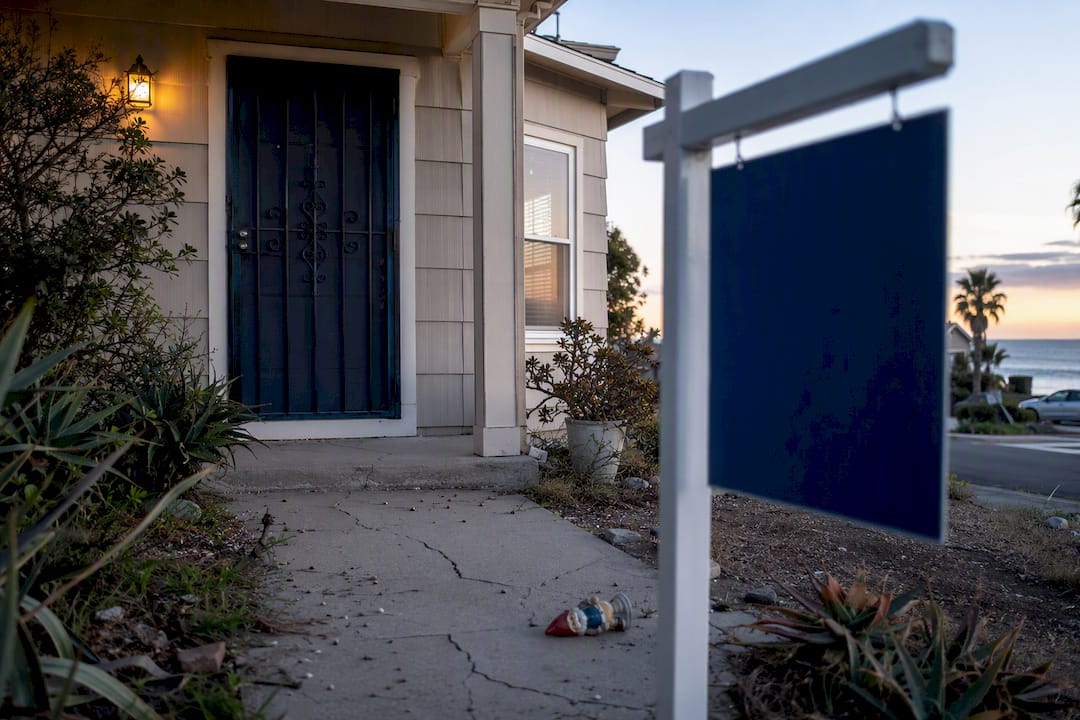
This creates a real gap: a vacant property sitting through probate is more vulnerable to fire, vandalism, weather damage, and liability claims, right at the moment coverage is least certain. Vacant property insurance exists specifically for this situation and costs more than a standard policy, but it closes a gap that otherwise leaves heirs personally exposed if someone gets hurt on the property or if damage occurs with no active policy in place.
Liability exposure deserves its own attention. If a mail carrier trips on a cracked walkway or a neighbor's kid wanders onto an unsecured pool deck, the estate, and potentially the heirs personally, can face a claim. Confirm exactly who is named on any policy, whether it's still active, and whether it covers a vacant or heir-owned property before assuming you're protected. This is a detail worth resolving in the first weeks after inheriting the home, not after something goes wrong.
Family Dynamics When Deciding What to Do With an Inherited Home
Condition assessments and repair estimates are the easy part. Getting siblings or co-heirs to agree on what to do next is often harder than the home's actual problems.
Disagreements usually break down along predictable lines: one heir wants to keep the house for sentimental reasons, another needs their share of the proceeds immediately, and a third wants to hold it as a rental. Add in unequal contributions, where one sibling lives nearby and handles the walkthrough and repairs while others live across the country, and resentment builds fast even when everyone has good intentions.
Estate specialists who work with families through this process often note that heirs tend to overvalue cosmetic improvements and underestimate the real cost, in time and friction, of coordinating repairs among multiple decision makers. That imbalance is a big part of why an as-is sale becomes the rational choice for many estates, not because the home isn't worth fixing up, but because the coordination cost of doing it right across several stakeholders often exceeds the financial upside.
Get everyone's expectations in writing early, even informally. Agree on a decision timeline, and if the estate is still in probate, loop in the estate attorney on major decisions before anyone spends money on repairs the others haven't agreed to.
Why documented decisions beat chasing top dollar
Coordinating repairs among heirs costs more in time and friction than most families expect going in. A documented path, real estimates, a real inspection, a real cash offer, usually resolves an estate faster and with less family strain than holding out for maximum price.
— Abel
A Straightforward Option When You Need One
If the inspection turns up more Tier 1 problems than you want to manage, or your co-heirs just want the estate resolved without months of contractor scheduling, SLO Cash Buyer - San Luis Obispo County Home buyer buys homes in any condition for cash, with no repairs, no cleaning, and no hidden fees added to the offer.

Call first if the roof, panel, or sewer line already shows Tier 1 damage and your family needs a fast resolution more than top dollar. Get contractor quotes first if the home is in decent shape and you're still weighing a retail sale against an as-is offer. Either way, you'll want to review the inherited property sale checklist so you know what documents and decisions to have ready. Reach out for a no-obligation cash offer and see the number before you commit to any repair budget.
Sources
- What do home inspectors always find in an inherited home | Rios and Co Real Estate
- Best home inspection checklist for older homes (2026) | HomeInspecto
- Find an inspector | American Society of Home Inspectors (example directory)
Consult a local licensed inspector and an estate attorney for questions specific to your property and jurisdiction.