
The fastest, most reliable way to handle an out-of-state home sale is through one of two routes: hire a local listing agent experienced with remote sellers, or take a cash offer when speed and low effort matter more than squeezing out every dollar. Both routes lean on the same tools, power of attorney, remote online notarization, and clear vendor communication, to get you to closing without a plane ticket.
TL;DR:
- Selling out of state is fastest and easiest through cash offers or working with experienced local agents, minimizing repairs, showings, and negotiations.
- Confirm your agent has solid remote management systems, clear communication procedures, and written authority to handle repairs and signing, to ensure smooth coordination.
- For properties needing major repairs, obtain independent contractor bids and decide whether repairs are feasible remotely before listing or accepting a cash offer.
- Be aware that legal requirements like disclosures, power of attorney, notarization, and state-specific tax withholding can cause delays if not thoroughly prepared.
- A cash sale often guarantees faster closing and fewer complications, making it ideal if time is critical or property condition limits traditional selling routes.
Table of Contents
- What Are Your Options for an Out-of-State Home Sale?
- How Do You Find and Manage a Local Agent from Afar?
- How Do You Prep and Stage a House You Can't Visit?
- How Do You Price and Time a Remote Home Sale?
- What Legal Paperwork Trips Up Remote Sellers?
- How Do You Handle Closing Funds and Records Remotely?
- Should You Make a Trip Back for the Sale?
- Why a Cash Offer Is Often the Simplest Path
- Get a Cash Offer or List Your Home, Your Choice, Your Timeline
- Where to Verify These Rules Yourself
- Sources
- FAQ
What Are Your Options for an Out-of-State Home Sale?
You have four realistic paths, and picking the right one comes down to how much time, money, and hands-on effort you're willing to spend from a distance.
- Traditional agent listing. A licensed local agent manages showings, negotiations, and vendor coordination on your behalf. This route usually nets the highest sale price, but it takes longer and asks you to trust someone else with day-to-day decisions.
- Concierge or iBuyer programs. Some brokerages front the cost of repairs and staging, then get repaid at closing, which can boost your final price without draining your savings up front. Traditional iBuyers pay fast, often at a modest discount, for homes already in decent shape, a trade-off worth understanding before you sign anything, according to HomeLight's research on out-of-state sales.
- Cash buyer sale. A cash buyer purchases the home as-is, skipping repairs, cleaning, and lengthy negotiations entirely. This is often the practical choice when a property needs work you can't oversee remotely, or when a foreclosure clock or probate deadline is closing in.
- For sale by owner (FSBO). You handle marketing, showings, and paperwork yourself, usually through a local contact. It saves on commission, but doing it remotely without a licensed agent on the ground is the hardest version of this whole process.
If your home needs real work, or you simply don't have the bandwidth to manage contractors from another state, a cash offer through a company like SLO Cash Buyer - San Luis Obispo County Home buyer removes the guesswork. You get a number, you accept or decline, and there's no repair list waiting for you at inspection.
How Do You Find and Manage a Local Agent from Afar?
Your agent becomes your eyes and boots on the ground, so the vetting process matters more here than it would for a local sale. Ask every candidate how many out-of-state clients they've closed in the past two years, and get specifics, not just a confident "plenty."
- Ask about remote-client systems. Do they use a shared calendar, a group text thread, or a client portal for updates? Vague answers are a red flag.
- Confirm vendor authority in writing. Spell out in the listing agreement whether the agent can approve contractor work up to a set dollar amount without calling you first.
- Set a communication cadence. Weekly check-ins by video call, plus same-day updates after every showing, should be the baseline, not a bonus.
- Require visual proof. Ask for photo or short video updates after cleanings, repairs, or staging changes, not just a text saying "done."
- Clarify who signs what. Confirm early whether you'll need a power of attorney for the agent or a designated local contact to sign time-sensitive paperwork.
Pro Tip: Ask a candidate agent to walk you through their last out-of-state closing step by step. How they describe solving problems tells you more than any polished pitch.
An agent who hesitates when you ask for weekly video walkthroughs probably isn't set up for remote clients, no matter how strong their local reputation is.
How Do You Prep and Stage a House You Can't Visit?
Repairs and staging are the part of an out-of-state property sale that trips people up most, mainly because it's hard to trust someone else's judgment on your own house. The decision usually boils down to one question: is this a five-figure repair job, or a deep clean and some fresh paint?
For anything structural, roof, foundation, major plumbing, get two independent contractor bids before authorizing work, and have your agent or a trusted local contact confirm the estimates in person. For cosmetic work, a good local agent can often manage the whole punch list without you lifting a finger.
- Interview cleaning and landscaping vendors by phone or video before hiring, and check at least one recent review or referral.
- Ask contractors to send date-stamped photos before and after each job.
- Set a spending cap in writing so no one authorizes a $4,000 fix without your sign-off.
- Request a full walkthrough video before photos go live, so you catch anything the listing photos might smooth over.
Professional photography and 3D virtual tours have become standard for remote sellers, and for good reason. Listings with immersive walkthroughs cut down dramatically on wasted in-person showings, since buyers can rule themselves in or out before ever booking a visit, a shift HomeLight has documented among agents working with distant clients. Live-streamed open houses, where your agent walks buyers through on video call, are worth requesting if your market is competitive.
Pro Tip: If the home needs more than paint and carpet cleaning, get a written repair estimate before you decide between fixing it up and selling as-is. That single number often makes the decision for you.
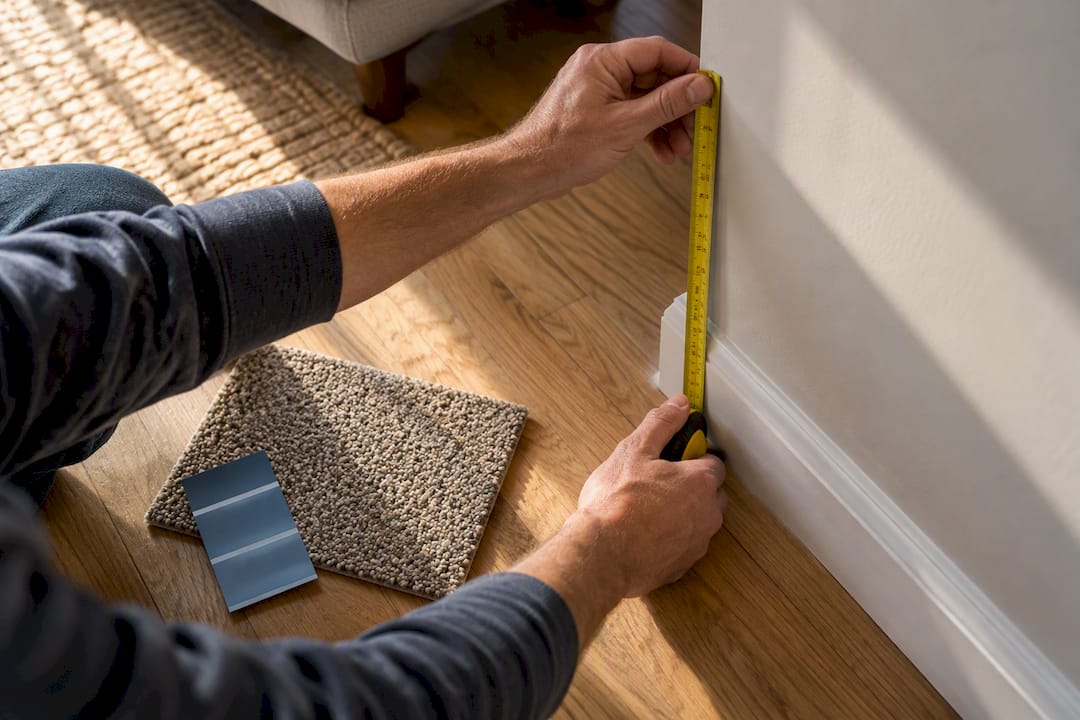
If the numbers don't pencil out, if repair costs would eat too much of your equity, or you simply can't manage a renovation from 2,000 miles away, selling as-is to a cash buyer skips this entire section.
How Do You Price and Time a Remote Home Sale?
Ask your agent for two numbers: what the home is worth as-is, and what it's worth after a defined set of repairs. That dual-pricing approach lets you weigh the actual return on any investment before you spend a dollar you can't personally supervise.
Timelines vary by route, so plan around whichever one applies to you:
- Traditional listing: Roughly 30 to 60 days to accept an offer, then another 30 to 45 days to close, longer in slower markets.
- Cash buyer sale: Often just 7 to 14 days from offer to closing, since there's no financing contingency or repair negotiation to slow things down.
- Concierge or iBuyer programs: Typically land somewhere in between, with repair work adding a few weeks before the home ever hits the market.
Factor in the real costs of staying remote too: staging fees, any concierge financing charges, one flight if you decide a visit is worth it, and the quiet cost of carrying a mortgage on a home you're not living in. A longer listing period means more months of that dual burden, which is exactly why some sellers who initially planned to list end up taking a faster cash offer once they run the math.
What Legal Paperwork Trips Up Remote Sellers?
The law that governs your sale is the law of the state where the property sits, not where you currently live, and that single fact causes more delays than anything else in an interstate home sale.
- Disclosures. Almost every state requires written disclosure of known material defects, roof condition, foundation issues, plumbing, electrical systems, flooding history, pest problems, and environmental hazards. Your agent or a real estate attorney typically drafts these, and they can usually be signed electronically, according to EffectiveAgents' state-by-state disclosure guide.
- Power of attorney. A limited, property-specific POA, naming the exact address and granting authority to sign closing documents, is far more likely to be accepted than a general POA. Title companies frequently reject broad POAs outright, and recording the document with the property's county often speeds acceptance, per guidance from the American Bar Association.
- Remote closing method. As of early 2025, 45 states plus DC allow permanent Remote Online Notarization, but acceptance still depends on your lender, title underwriter, and county recorder. Hybrid closings, where most documents sign electronically and a handful require in-person notarization, remain the most dependable option because they sidestep the county-level rejections that sometimes hit fully digital RON closings.
- Nonresident withholding. Many states withhold a percentage of your sale proceeds if you're a nonresident seller, typically 2% to 9% of the gross price or estimated gain. You'll file a nonresident state tax return afterward to reconcile that withholding and recover any excess.
Roughly 20 states apply some version of this nonresident withholding rule, so budget for it before you count your net proceeds. Confirm your state's exact requirement with the closing attorney or title company handling your file, since the percentage and calculation method both vary. On the federal side, IRS Publication 523 lets qualifying sellers exclude up to $250,000 (single) or $500,000 (married filing jointly) of profit from capital gains tax, as long as you owned and lived in the home for at least 24 months within the five years before selling. Miss that residency window because you moved out early, and the exclusion may not apply.
Never assume a POA or notarization method valid in your current state carries over automatically. Confirm every document type directly with the title company handling your file before you sign anything.
How Do You Handle Closing Funds and Records Remotely?
Wire transfers typically hit your account within one to two business days after closing, but confirm the exact timeline with your escrow or title company beforehand so you're not left wondering where your money is.
- Call the title company using a phone number you look up independently, never one from an email, before sending any wire instructions.
- Confirm wiring details verbally with someone you know at the title company, not just through an email thread.
- Never wire funds or share account numbers based solely on an emailed instruction, even if it looks official.
- Save your closing disclosure, settlement statement, and any withholding paperwork for tax filing next year.
Pro Tip: Wire fraud targeting real estate closings is a real and growing problem. If anything about a wiring instruction changes at the last minute, a new account number, a different bank, stop and call the title company directly before sending a cent.
Keep every document tied to the sale in one folder, physical or digital, for at least three years. You'll need it if the IRS or your state tax agency ever has questions about your reported gain.
Should You Make a Trip Back for the Sale?
A short visit makes sense for high-value homes, major repair decisions, or complicated tenant situations where a phone call won't cut it. If your property is tenant-occupied, an in-person conversation about showings and move-out timing often prevents disputes that drag out your timeline.
- Schedule agent, contractor, and inspector meetings before you book your flight, not after you land.
- Sign or notarize your POA and any witness-required documents while you're there.
- Walk the staged home in person to confirm it matches what you approved by video.
- Authorize any major repair decisions face to face, then leave written delegation of authority for anything that comes up after you leave.
If none of those apply, a video walkthrough and a well-drafted POA usually cover everything a trip would.
Why a Cash Offer Is Often the Simplest Path
Remote sellers usually reach out at the worst possible moment, a looming foreclosure date, a probate deadline, a tenant situation that's fallen apart. In those cases, the calendar matters more than the last few thousand dollars a traditional listing might bring.
A cash buyer removes the pieces that cause the most damage from a distance: repair negotiations you can't oversee, financing contingencies that fall through at the last minute, and a closing date that keeps slipping while you're stuck monitoring it from another state. That's not the right call for every seller, a well prepared, cosmetically sound home in a strong market often nets more through a full listing. But when time, distance, or a property's condition work against you, a straightforward cash sale often beats the alternative of managing months of remote coordination for a marginal gain.
If you're weighing your options, our guides on California seller disclosures and capital gains and escrow withholding are good next stops.
— Abel
Get a Cash Offer or List Your Home, Your Choice, Your Timeline
A cash buyer offers an alternative to managing repairs, showings, and vendor calls from another state by purchasing properties as-is without requiring repairs, cleaning, or agent commissions, allowing remote sellers facing foreclosure, inheritance, or difficult tenant situations to close on a flexible timeline.

For homes in solid condition, pursuing a full agent-supported listing with licensed local agents who manage all aspects on the ground while the seller remains remote is another available option. Either way, you're not choosing blind: check the details on our Cash Offer program to see how the process works, or head straight to our page to request your offer today and get a real number in hand before you decide anything else.
Where to Verify These Rules Yourself
For federal tax specifics, IRS Publication 523 covers the primary residence capital gains exclusion in full. For closing logistics, Redfin's guide to remote closings and NotaryCam's state-by-state RON tracker stay current on notarization rules. Our own posts on closing checklists and selling timelines go deeper on the operational side.
Sources
- IRS Publication 523
- Remote online notary laws — NotaryCam
- State nonresident seller withholding overview — Grant F (example: Maryland withholding)
- Can you close on a house remotely? — Redfin
FAQ
Can You Live in One State and Sell a House in Another?
Yes. Your physical location doesn't affect your legal right to sell, but the sale itself follows the law of the state where the property sits, including its disclosure rules, notarization standards, and closing procedures. A local agent, attorney, or cash buyer familiar with that state's requirements handles most of this without requiring your presence.
Do You Owe Taxes if You Sell a House While Living in Another State or Country?
You may still owe federal capital gains tax, though IRS Publication 523 allows an exclusion of up to $250,000 (single) or $500,000 (married filing jointly) if you owned and lived in the home for at least 24 months within the five years before the sale. Many states also apply nonresident withholding, commonly 2% to 9% of the sale price or gain, which gets reconciled when you file a nonresident state return.
Can My Parents Sell Me Their Property for $1?
A sale at a nominal price like $1 is legally possible, but the IRS typically treats the difference between that price and fair market value as a gift, which can trigger gift tax reporting. This isn't the same process as a standard out-of-state home sale, and it's worth discussing with a tax professional before structuring a family transfer this way.
Is It Hard to Buy or Sell a Home Out of State?
It's more logistically complex than a local sale, mainly because of power of attorney requirements, remote notarization rules, and coordinating repairs or showings without being there. Tools like video walkthroughs, digital disclosure signing, and a limited POA drafted for the property's state resolve most of the friction, and options like SLO Cash Buyer - San Luis Obispo County Home buyer's Cash Offer program remove the repair and negotiation steps entirely for sellers who want the simplest path.