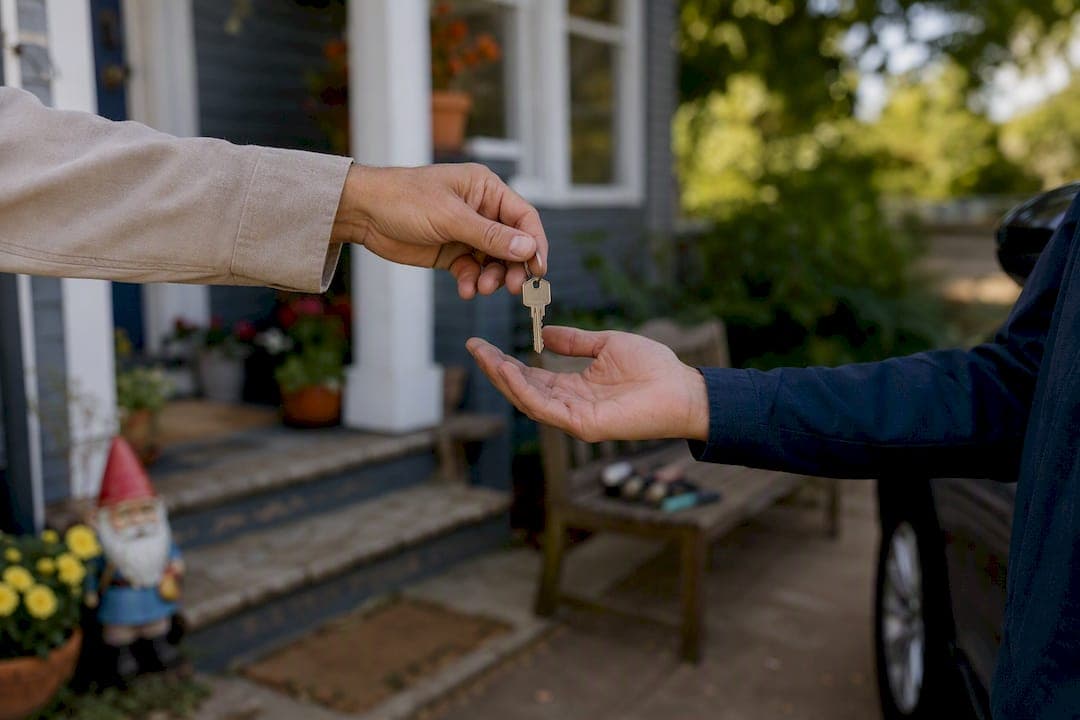
If you want to sell house without realtor involvement, the fastest route is a written, all-cash offer from a direct buyer who purchases as-is. That single move can put you at the closing table in as little as 7 to 10 days, with no repair list, no showings, and no agent commission to subtract from your proceeds. It's not the only path, but for anyone facing a deadline, it's usually the most direct one.
Here's what to do right now:
- Request a written offer that spells out the price, closing date, and who pays what.
- Confirm the buyer uses a neutral third-party title or escrow company, not their own attorney or affiliate.
- Compare that offer against your mortgage payoff before you sign anything.
Key Takeaways
Selling to a direct cash buyer works because it removes lender underwriting, repair requirements, and agent commissions from the equation, trading a lower price for speed and certainty.
| Point | Details |
|---|---|
| Choose direct buyers over wholesalers | Direct buyers close with their own funds; wholesalers may assign contracts, adding risk. |
| Verify proof of funds first | Ask for bank documentation before signing any written offer. |
| Insist on neutral title company | This single protection prevents most of the disputes that surface at closing. |
| Compare offer to mortgage payoff | Request payoff statements early so net proceeds are never a surprise. |
| SLO Cash Buyer offers a local path | Purchases homes as-is for cash with no hidden fees and flexible closing timelines. |
Table of Contents
- How Selling for Cash As-Is Actually Works
- What You Gain and What You Give Up
- What To Prepare Before You Sign an Offer
- What Closing Day Looks Like and When to Expect It
- Vetting a Cash Buyer Before You Commit
- Why SLO Cash Buyer Is a Direct, Local Option
- The Real Question Isn't Speed Versus Price
- Get a No-Obligation Cash Offer From SLO Cash Buyer
- Sources
How Selling for Cash As-Is Actually Works
Not every "cash buyer" operates the same way, and the differences matter more than most sellers realize. Direct buyers close with their own money and take title themselves. Wholesalers, by contrast, often sign a contract intending to assign it to someone else, which adds a layer of risk if their end buyer falls through. iBuyers use algorithms to make instant offers but typically want homes in better condition than a true as-is buyer will accept. For a homeowner who wants certainty, a direct buyer is usually the simplest of the three.
The offer itself isn't guesswork. Most cash buyers start with the home's estimated repaired value, then subtract projected repair costs, holding costs, resale expenses, and their own margin to land on a number. That's why two buyers can look at the same house and land on different offers.
The process itself moves in a predictable order:
- You share basic property details (address, condition, any liens).
- The buyer does a quick walkthrough or reviews photos.
- You receive a written offer with a proposed closing date.
- Both sides sign, and the deal goes to a title company for a title search.
- Closing happens once title is clear and documents are signed.
Because there's no lender involved, there's no underwriting, no appraisal contingency, and no loan approval that can collapse the deal at the last minute.
Pro Tip: Ask every buyer to show proof of funds before you sign anything. A legitimate direct buyer can produce a bank statement or letter from their financial institution within a day, and hesitation on this point is worth noticing.
What You Gain and What You Give Up
Selling as-is for cash trades a lower gross price for speed, certainty, and a lot fewer headaches. You skip the deep cleaning, the staging, the recurring showings, and the risk that a financed buyer's loan falls apart three weeks into escrow.
- No repairs, painting, or cleaning before listing photos.
- No open houses or last-minute showing requests.
- No 5 to 6% agent commission coming off the top.
- No financing contingency that can kill the deal in week four.
The tradeoff is real: cash offers typically come in below full retail market value, because the buyer is pricing in repairs and resale risk. Here's a simple way to think about it. Say your home would list for $450,000 in decent condition. A cash offer as-is might land closer to $370,000 to $400,000, but you keep the full number with no commission subtracted and no repair invoices to pay first.
Whether that gap is worth it depends on your situation. If you're facing foreclosure, an inherited property with back taxes, or a tenant situation you don't want to manage, speed and certainty often outweigh the price difference. If you have months to wait and a move-in-ready home, a listing agent might net you more.
What To Prepare Before You Sign an Offer
Before you accept anything, gather your paperwork and know exactly what a fair written offer should contain. Rushing this step is where sellers lose leverage.
Documents to have ready:
- Your current mortgage payoff statement (call your lender or check your online account).
- Title documents or your deed, if you can locate them.
- Property tax records showing your parcel number and any unpaid balances.
- Lease agreements and tenant contact information, if the property is occupied.
- Any HOA documents, if applicable.
A written offer worth signing should spell out the following, in plain language, before you agree to anything:
- The exact purchase price and how it was calculated.
- A firm closing date, or a short window with a stated outside date.
- Any contingencies (there should be very few, if any, in a true as-is cash deal).
- Who pays closing costs, title fees, and any outstanding liens.
Insist on a neutral title company handling the transaction rather than the buyer's own affiliate. Request payoff statements early so there are no surprises about what you actually walk away with. If anything in the contract language feels unclear, a short consultation with a real estate attorney costs far less than an unwinding a bad deal later.
What Closing Day Looks Like and When to Expect It
A clean, as-is cash sale on a property with clear title can close in as little as 7 to 14 days. Complications push that timeline out. Title issues, an active tenant lease, or a property still in probate can add weeks, sometimes longer, so disclose those details up front rather than letting them surface during the title search.
At the closing table, expect to see a handful of documents, each with a specific job.
| Document | What it does |
|---|---|
| Purchase agreement | Locks in price, closing date, and terms both sides agreed to |
| Seller disclosures | Legally required statement of known property defects |
| Deed | Transfers legal ownership to the buyer |
| Closing/settlement statement | Itemizes every dollar in and out of the transaction |
Read the closing statement line by line before you sign. Confirm your payoff amount matches your lender's figure, and check who is covering title fees, recording fees, and any prorated property taxes.
Pro Tip: Ask for a draft of the closing statement at least 48 hours before signing day. A buyer who resists sharing it early is a buyer worth questioning.
Vetting a Cash Buyer Before You Commit
A few direct questions separate a legitimate buyer from a wholesaler chasing an assignment fee, or worse.
Ask, and expect clear answers, to these questions:
- "Can you show me proof of funds for this exact purchase amount?"
- "Do you close in your own name, or do you assign this contract to another buyer?"
- "Which title company will handle closing, and can I speak to them directly?"
- "Can I get this offer in writing with a firm closing date?"
Watch for these red flags, any one of which should slow you down:
- A request for any fee before closing.
- Resistance to using a neutral title or escrow company.
- Offers given only verbally, or that keep changing without explanation.
- Pressure to sign the same day you first speak, with no time to review terms.
A direct buyer using their own capital will typically answer every one of these questions without hesitation. If you get vague answers or pushback, walk away. There are other buyers.
Pro Tip: If a buyer won't name their title company by the second conversation, that's usually a sign they haven't lined one up yet, or don't plan to use one at all.
Why SLO Cash Buyer Is a Direct, Local Option
SLO Cash Buyer - San Luis Obispo County Home buyer purchases property in any condition for cash, without asking sellers to make repairs or clean before closing. Offers come with no hidden fees, and closings move on a timeline the seller controls, not a lender's underwriting schedule.
The service follows the same protections outlined above:
- A written offer, in plain language, before anything is signed.
- Use of a neutral title and closing company for every transaction.
- Seller disclosures handled according to California requirements.
- No repair costs or agent commissions deducted from your proceeds.
If your situation involves foreclosure, an inherited property, a divorce timeline, or tenants you'd rather not manage through a sale, this is the exact scenario a direct, local buyer is built for. The next practical step is simple: request a no-obligation written offer and confirm the title company before you sign anything.
The Real Question Isn't Speed Versus Price
Most advice on this topic frames the decision as a tradeoff between a fast cash sale and a slower, higher-priced listing. That framing isn't wrong, but it misses what actually determines whether a homeowner makes a good decision: how well they vet the buyer before they sign, not how fast the deal closes.
A seller who takes two extra days to confirm proof of funds, insist on a neutral title company, and read the closing statement line by line ends up in a far stronger position than one who rushes because a buyer promised to close by Friday. Speed is a genuine benefit of a cash sale, but it's also the exact pressure point buyers with bad intentions lean on. The math behind an offer, ARV minus repairs minus margin, is fair and standard when a legitimate buyer uses it. It's a warning sign only when a buyer refuses to explain it.
If you're weighing this path, prioritize the vetting questions over the closing date. A buyer confident in their offer will never rush you past due diligence.
— Abel
Get a No-Obligation Cash Offer From SLO Cash Buyer
SLO Cash Buyer - San Luis Obispo County Home buyer skips the parts of a home sale that cost you money and time: no repair estimates, no staging, no commission checks written to an agent at closing.

The process starts with a short conversation about your property, followed by a written cash offer with no hidden fees attached, whether your home needs major repairs or none at all. You're never obligated to accept, and comparing that offer against your current mortgage payoff costs you nothing but a few minutes. If your situation involves foreclosure, an inherited property, or tenants complicating a traditional sale, this is exactly the kind of transaction SLO Cash Buyer - San Luis Obispo County Home buyer handles regularly. Visit SLO Cash Buyer to request your written offer and see a proposed closing date within days, not months.
Sources
For broader context on cash sale mechanics, see Zillow's guide to cash offers, CNBC's breakdown of cash-for-houses companies, and GetHomeCash's explainer on how these companies work.
- Should I Accept a Cash Offer for My House? | Zillow
- What Do "We Buy Houses For Cash" Companies Do? | CNBC Select
- Cash Home Buyers: How "We Buy Houses" Companies Work | GetHomeCash
This article is general information, not a substitute for advice from a qualified financial advisor. Consult a qualified financial professional about your own circumstances before acting on anything here.