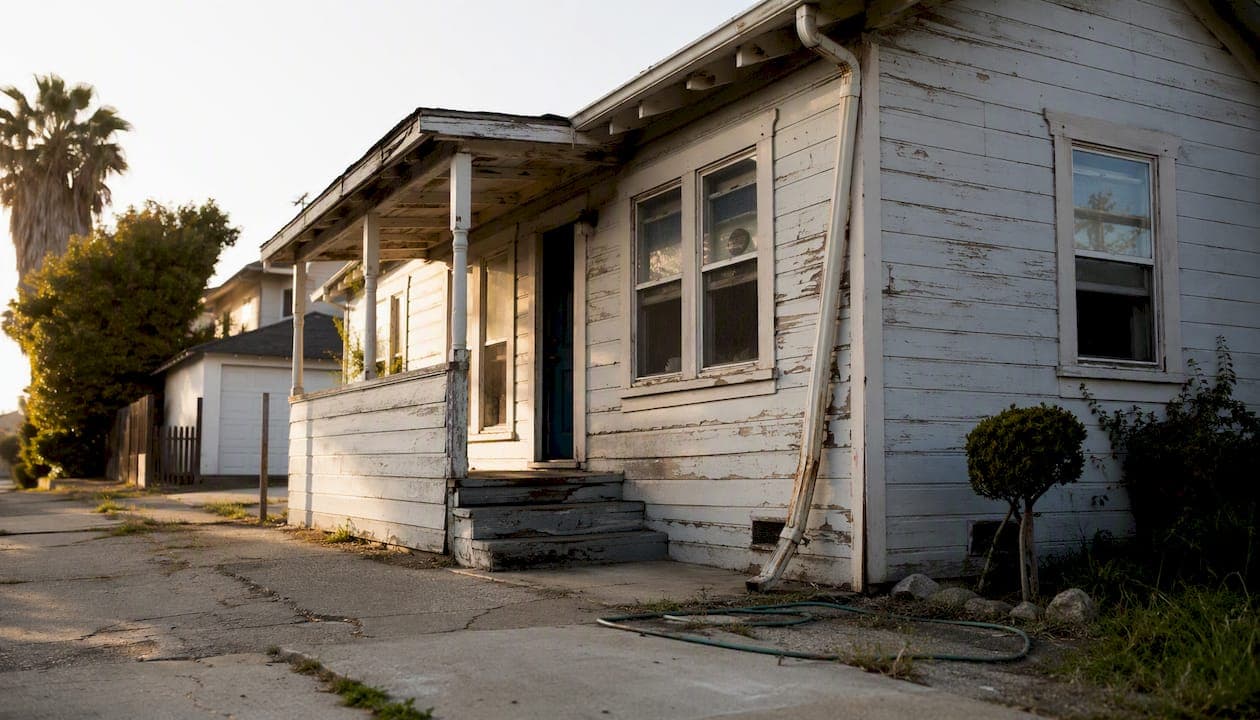
A fixer-upper is a property sold at a discount because it needs repair or renovation, and it is typically offered as-is, meaning the seller expects you to take it in its current condition. As the Cambridge Dictionary defines it, a fixer-upper is a house or apartment in bad condition that requires work to make it livable or valuable again. If you are buying, your next step is to get a licensed home inspection and collect contractor estimates before you make an offer. If you own one and need to sell, your decision comes down to one question: repair and list for top dollar, or sell as-is and close fast.
Three quick signals that a property qualifies:
- Roof damage, sagging, or missing shingles visible from the street
- Major systems (HVAC, electrical, plumbing) that are outdated or non-functional
- Habitability problems such as mold, water intrusion, or structural cracks
Key Takeaways
A fixer-upper is a property sold as-is at a discount because it needs repair, and your best first move is always a licensed inspection paired with written contractor estimates.
| Point | Details |
|---|---|
| Core definition | A fixer-upper is sold as-is at a discount; the seller transfers all repair responsibility to the buyer. |
| Evaluate before you offer | Get a licensed inspection, written contractor estimates, and calculate ARV minus all costs to set a max price. |
| Financing options exist | FHA 203(k) and Fannie Mae HomeStyle let buyers finance purchase plus renovation in one loan. |
| Major repairs shrink the buyer pool | When foundation or systems work is needed, investors account for roughly 80%+ of realistic buyers. |
| SLO Cash Buyer as-is option | SLO Cash Buyer - San Luis Obispo County Home buyer purchases fixer-uppers in any condition in San Luis Obispo County for cash, with no repairs or fees. |
Table of Contents
- What does "fixer-upper" really mean in a real estate listing?
- How do you spot a fixer-upper when you tour a property?
- Where does a fixer-upper sit on the repair spectrum?
- Who actually buys fixer-upper properties?
- How do you evaluate a fixer-upper and calculate a fair offer?
- What financing options exist for buying a fixer-upper in the U.S.?
- What are your main options if you own a fixer-upper and want to sell?
- What does the data say about fixer-upper discounts and buyer demand?
- A note from SLO Cash Buyer on handling fixer-uppers
- SLO Cash Buyer makes selling a fixer-upper straightforward
- Useful resources to read next
- Sources
What does "fixer-upper" really mean in a real estate listing?
The term is informal, but its meaning in a listing is deliberate. A seller who calls a home a fixer-upper is signaling that the property has deferred maintenance or damage, that the price reflects that condition, and that they are not planning to fix anything before closing. Redfin notes that calling a home a fixer-upper commonly signals an as-is sale and can limit traditional financing, which shifts buyer interest toward cash buyers and investors.
Expect to see these phrases in listings for fixer-upper properties:
- "Sold as-is" — the seller will not make repairs or credits after inspection
- "Handyman special" — light to moderate work needed, often cosmetic
- "Needs TLC" — typically cosmetic issues; the softest version of the label
- "Needs work" — a broad signal that could mean anything from paint to foundation
The price discount is the other tell. Fixer-uppers list below comparable move-in-ready homes in the same neighborhood, sometimes by a wide margin depending on the scope of repairs needed.
How do you spot a fixer-upper when you tour a property?
Problems fall into four categories, and knowing which category you are dealing with changes your cost estimate dramatically.
Cosmetic issues are surface-level: peeling paint, worn flooring, dated fixtures, overgrown landscaping, or stained ceilings from a leak that has already been repaired. These are the least expensive to fix and rarely affect financing eligibility.
Systems issues involve the mechanical guts of the house. Watch for:
- Electrical panels with knob-and-tube wiring or Federal Pacific breakers
- Plumbing that is galvanized steel (prone to corrosion and low pressure)
- HVAC units older than 15–20 years or missing entirely
- Water heaters past their service life
Structural issues are the most serious and the most expensive. Foundation cracks that run diagonally or horizontally, bowing basement walls, sagging rooflines, and floors that slope noticeably all point to structural work.
Habitability issues can block financing outright. Active mold, animal infestation, broken windows, missing handrails on stairs, or no working heat in a cold climate can cause a property to fail FHA or VA appraisal requirements.
Pro Tip: *When a home is more than 30 years old and shows signs of deferred maintenance, assume hidden costs exist even if you cannot see them.
Where does a fixer-upper sit on the repair spectrum?
Not every property that needs work is the same. The spectrum runs from light cosmetic touch-ups all the way to full demolition, and where a home falls on that spectrum determines your cost, your financing options, and your buyer pool.
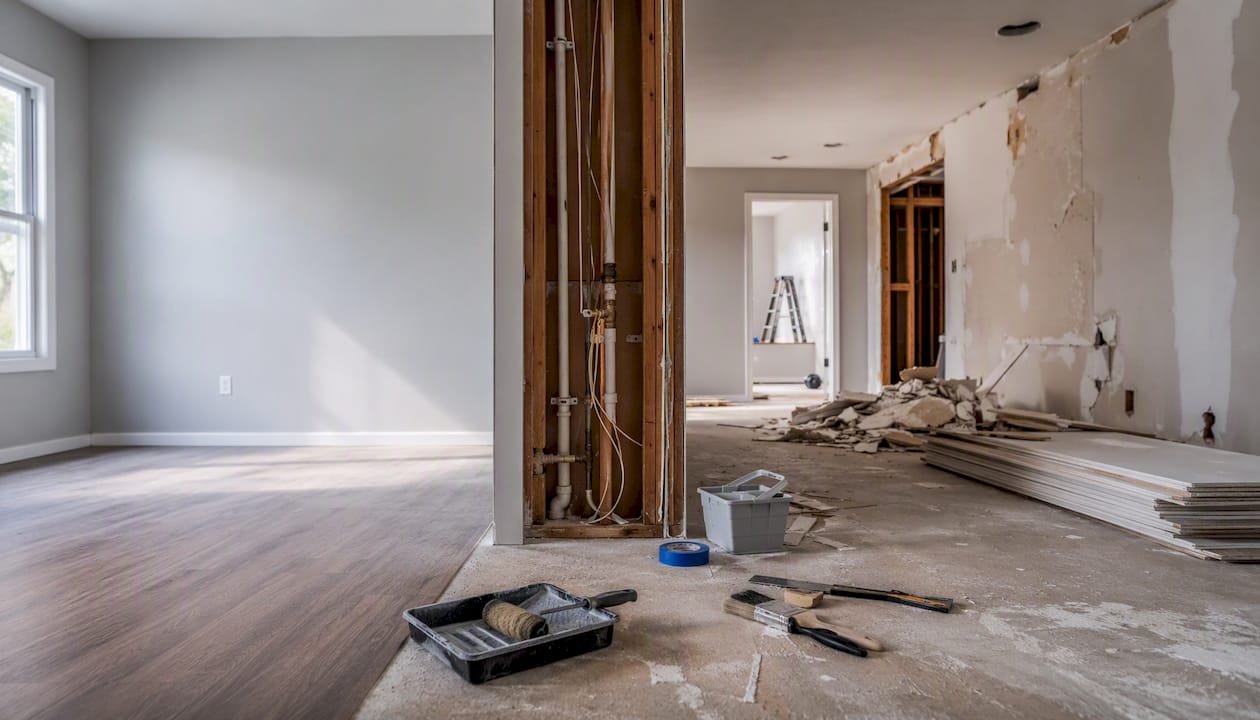
Needs TLC covers minor cosmetic work: fresh paint, new carpet, updated light fixtures. Repair costs are typically low, and the home is fully livable during renovation. Most conventional loans have no issue with these properties.
Minor fixer-upper involves one or two systems that need replacement alongside cosmetic work. Think a new roof plus kitchen update, or a furnace replacement plus flooring. The home is usually livable, and renovation loans like the FHA 203(k) Limited or Fannie Mae HomeStyle can apply.
Major fixer-upper / flip candidate means multiple systems are failing or structural work is needed. These homes often cannot be financed with a standard mortgage until repairs are made, which is why investors and cash buyers dominate this segment. Renovation timelines run from three to twelve months depending on scope.
Teardown is the far end of the spectrum. When the cost to repair exceeds the after-repair value of the home, or when the structure is so compromised that renovation is not safe or economical, demolition and a new build is the rational path. If a contractor's estimate for repairs approaches or exceeds 50% of the home's post-repair value, treat it as a teardown scenario rather than a renovation.
Who actually buys fixer-upper properties?
Two very different buyers compete for fixer-uppers, and the type of work needed usually determines who wins.
Retail buyers, meaning people who plan to live in the home, are drawn to minor fixer-uppers where the work is manageable and financing is available. They are motivated by the chance to build equity and customize a home at a below-market entry price. The FHA 203(k) and Fannie Mae HomeStyle programs exist specifically to help this group finance purchase and renovation together.
Investors and cash buyers operate differently. They factor in contractor networks, carrying costs, and what the industry calls "aggravation costs" for unknown structural surprises. Their ability to absorb risk and close without financing makes them the dominant buyer for heavy repairs. ROI TV estimates that when a home needs major systems or foundation work, the most realistic buyer is an investor in roughly 80% or more of cases.
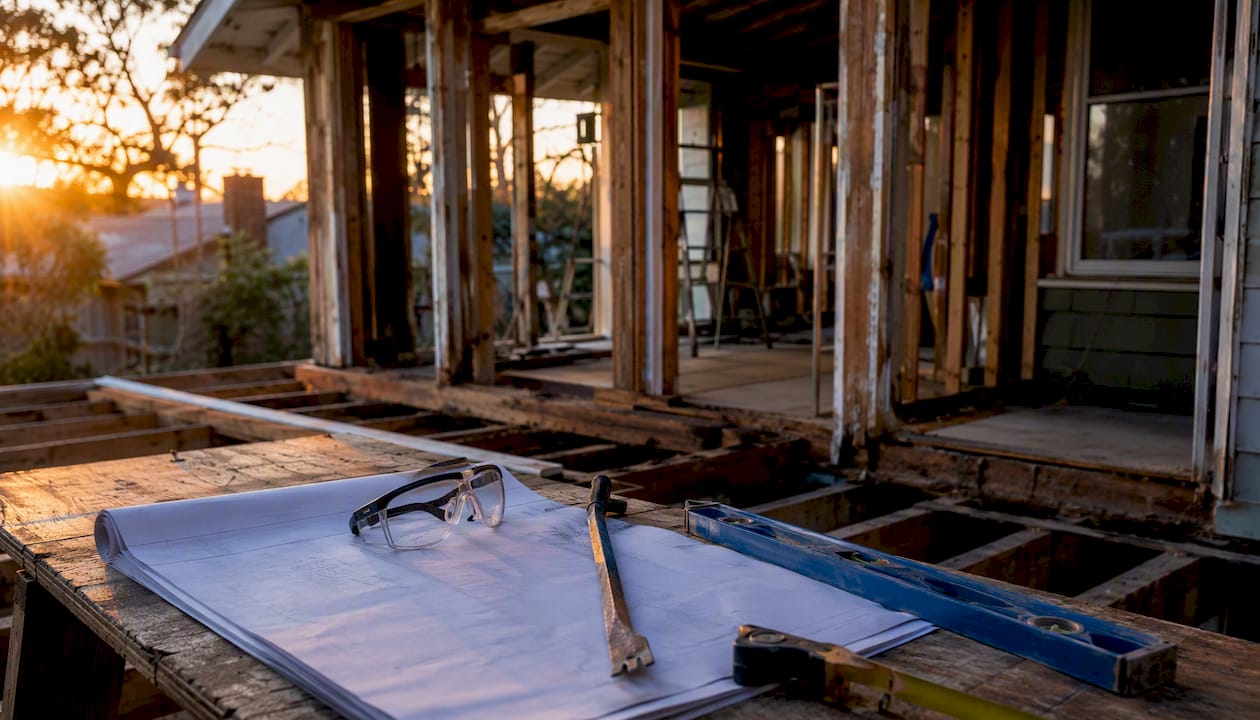
For sellers, that figure matters. If your home needs a new roof, foundation repair, or full electrical rewire, pricing and marketing to retail buyers may waste time. Setting realistic expectations around who will actually make an offer saves weeks of frustration.
How do you evaluate a fixer-upper and calculate a fair offer?
Skipping this process is where buyers lose money. Nolo's pricing guidance is clear: hidden defects can add tens of thousands of dollars to your costs, and professional inspections plus written contractor estimates are non-negotiable before you commit to a number.
-
Get a full home inspection. A licensed inspector covers structure, roof, electrical, plumbing, and HVAC. For older homes or those with visible red flags, add specialty inspections: a structural engineer for foundation concerns, a sewer scope for older plumbing, and a mold test if you see water stains.
-
Collect written contractor estimates. Get at least two to three bids for every major repair category. Verbal estimates are not useful for offer calculations. Written estimates give you a defensible number and protect you if costs escalate.
-
Calculate the after-repair value (ARV). Pull recent sales of comparable move-in-ready homes within a half-mile. That is your ceiling. Adjust for square footage, lot size, and finishes to get a realistic ARV for your specific property.
-
Run the offer formula. In plain language: ARV minus estimated repairs, minus carrying costs (mortgage payments, taxes, insurance during renovation), minus permit and loan interest costs, minus your contingency reserve equals your maximum purchase price.
-
Set your contingency. Add 10–15% of your total repair budget as a contingency line. Common surprises include asbestos or lead paint in pre-1978 homes, hidden water damage behind walls, and undersized electrical service.
Pro Tip: Ask each contractor to walk the property with you and flag anything they see beyond their own trade. A plumber may notice a structural issue. An electrician may spot a roof leak. Cross-trade observations often surface the hidden costs that derail budgets.
What financing options exist for buying a fixer-upper in the U.S.?
Several loan programs are built specifically for properties that need work. Here is a quick overview:
- Cash purchase — fastest close, no lender requirements, full flexibility on property condition
- Conventional rehab loan — available through some lenders, typically requires the home to be livable at closing
- FHA 203(k) — government-backed, single loan covering purchase plus renovation; two versions exist
- Fannie Mae HomeStyle — conventional renovation loan, higher loan limits, usable for investment properties
- Hard money / private bridge loan — short-term, higher interest, used by investors for fast closes
- Home equity line of credit (HELOC) — for owners renovating a home they already own
The FHA 203(k) deserves a closer look. HUD's official program page explains that the Limited 203(k) covers up to $75,000 in non-structural improvements, while the Standard 203(k) supports major structural work, subject to FHA loan limits. Both require an FHA-approved lender and a HUD-approved consultant for the Standard version. The program expands the retail buyer pool by letting buyers finance a property that would otherwise be unfinanceable in its current condition.
| Loan type | Best for | Key limit or downside |
|---|---|---|
| FHA 203(k) Limited | Owner-occupants, non-structural repairs | $75,000 repair cap; FHA loan limits apply |
| FHA 203(k) Standard | Owner-occupants, major structural work | Requires HUD consultant; more paperwork |
| Fannie Mae HomeStyle | Owner-occupants and investors | Conventional credit standards; higher bar |
| Hard money / bridge | Investors, fast close needed | Higher interest rates; short repayment window |
| Cash | Any buyer, any condition | Requires liquid capital; no leverage |
What are your main options if you own a fixer-upper and want to sell?
Owners have three realistic paths, and the right one depends on your timeline, your budget, and how much uncertainty you can handle.
Repair and list. You invest in repairs, bring the home to move-in-ready condition, and sell at or near full market value. This path takes the most time and money upfront, but it typically produces the highest sale price. It works best when the repairs are cosmetic or moderate, the local market is strong, and you have the cash and time to manage a renovation.
Sell as-is to a cash buyer or investor. You skip repairs entirely, accept a below-market offer, and close quickly. Redfin's selling guide confirms that selling without repairs can be faster and more predictable for owners who lack the time or funds for renovation. This path suits sellers facing foreclosure, inherited properties, difficult tenancies, or situations where speed and certainty matter more than maximum price. You can review the as-is home sale process to understand exactly what to expect at each step.
Strategic minimal repairs. A middle path: fix only the items that block financing (habitability issues, safety hazards) and leave cosmetic work to the buyer. This widens your buyer pool to include FHA and VA buyers without requiring a full renovation budget.
Action steps for sellers before choosing a path:
- Get at least one contractor quote to understand your repair costs
- Request an as-is cash offer so you have a real number to compare
- Consult an agent experienced with fixer-upper properties in your market
- Gather your disclosure history: permits, prior repairs, known defects
What does the data say about fixer-upper discounts and buyer demand?
The numbers confirm what experienced agents already know. EffectiveAgents, citing Realtor.com data, reported a national median listing price for fixer-uppers of approximately $200,000, roughly a 54% discount versus median single-family listings, with fixer-upper searches and pageviews rising noticeably over the same period.
That gap is not fixed. Sellers who make strategic repairs, price accurately against adjusted comps, and market specifically to renovation buyers can narrow it. But for homes with foundation issues, failed systems, or major structural work, the discount tends to hold because the buyer pool shrinks to investors who price in their own risk and profit margin. For those sellers, the faster and more predictable choice is often an as-is cash sale rather than a prolonged listing that sits on the market waiting for a retail buyer who may never qualify for financing.
A note from SLO Cash Buyer on handling fixer-uppers
We work with homeowners across San Luis Obispo County every week who are sitting on properties they cannot or do not want to repair. Some inherited a home with decades of deferred maintenance. Others are facing foreclosure and do not have the runway to manage a renovation. Tired landlords dealing with tenant damage are another group we hear from often. In every one of these situations, the question is the same: is the time and money a full repair requires worth it, or is a fast, fair cash offer the better answer?
We buy homes in any condition, with no repairs required, no agent fees, and no hidden costs. Our closing timelines are flexible, and we are transparent about how we arrive at our offers. If you are weighing your options and want a real number to compare against a repair-and-list scenario, we are glad to help you think it through.
SLO Cash Buyer makes selling a fixer-upper straightforward
Selling a home that needs major work does not have to mean months of contractor bids, open houses, and uncertain financing. SLO Cash Buyer - San Luis Obispo County Home buyer purchases properties in any condition across San Luis Obispo County for cash, with no repairs, no cleaning, and no agent commissions standing between you and a closed sale.

Here is what that looks like in practice:
- No repairs required — sell the home exactly as it sits today
- No agent fees or hidden costs — the offer you receive is the amount you walk away with
- Fast, flexible closing — timelines that work around your situation, not ours
- Transparent offers — we explain how we arrived at the number
Whether you are dealing with an inherited property, a foreclosure timeline, or a rental that has seen better days, we are here to help. Request your cash offer today and have a real number in hand within days.
Useful resources to read next
- HUD FHA 203(k) Program Page — Official program details, loan limits, and lender requirements for renovation financing.
- HUD Title I Home Improvement Loans — Additional HUD guidance on home improvement financing options.
- Redfin: Selling a Fixer-Upper — Practical seller's guide covering as-is sales, pricing strategy, and buyer expectations.
- EffectiveAgents: How to Sell a House That Needs Major Repairs — Market data on listing discounts and strategies to narrow the price gap.
- Nolo: How Much Should You Pay for a Fixer-Upper? — Step-by-step pricing framework with guidance on inspections and offer calculations.
- Cambridge Dictionary: Fixer-Upper Definition — The standard dictionary definition for quick reference.
This article is general information, not a substitute for advice from a qualified financial advisor. Consult a qualified financial professional about your own circumstances before acting on anything here.
Sources
- Selling a Fixer-Upper: A Guide for a Quick Sale | Redfin
- Should You Fix Up Your House Before Listing Or Sell It As A Fixer Upper? - ROI TV
- Hud
- How to Sell a House That Needs Major Repairs (Without Losing Thousands) | EffectiveAgents®
- FIXER-UPPER | definition in the Cambridge English Dictionary
- How Much Should You Pay for a Fixer-Upper Home? | Nolo