
An assignable purchase agreement lets a buyer to transfer their rights under a real estate contract to a new buyer before closing. Once that transfer happens, the assignee steps into the assignor's shoes, but the original buyer may remain liable if the deal falls apart, unless the contract or a formal release says otherwise.
TL;DR:
- The assignment fee is usually paid by the end buyer at closing and is disclosed through the settlement statement, separate from the purchase price.
- An assignor remains liable unless a release or novation is executed, making them potentially responsible if the deal falls through.
- State-specific rules, like in Texas, require disclosure and approval procedures that can impact the validity of an assignment.
- The contract's language determines if assignment is permitted, with broad clauses like "buyer and/or assigns" offering more flexibility.
- Alternatives such as novation or double closing address liability and disclosure differences, but involve more legal complexity and costs.
Table of Contents
- The Basics: Who's Who in an Assignable Purchase Agreement
- How Does an Assignable Purchase Agreement Actually Work?
- Anti-Assignment Clauses and the Fine Print That Decides Everything
- Who Takes on the Risk When a Contract Gets Assigned?
- Assignment vs. Novation vs. Double Closing: Which One Fits?
- Does Assignment Law Change by State? A Texas Example
- A Practical Checklist Before You Sign or Accept an Assignment
- When Assignment Makes Sense, and When It Doesn't
- A Straightforward Alternative If You'd Rather Skip the Uncertainty
- Where These Facts Came From
- Sources
- FAQ
The Basics: Who's Who in an Assignable Purchase Agreement
Three roles matter here, and mixing them up are the fastest ways to get lost in the paperwork. The assignor is the original buyer who signed the purchase agreement and is now handing off his or her rights. The assignee is the new buyer stepping in to finish the deal. The seller is the property owner who agreed to the original terms and, depending on the contract, may or may not have a say in who ends up buying their home.
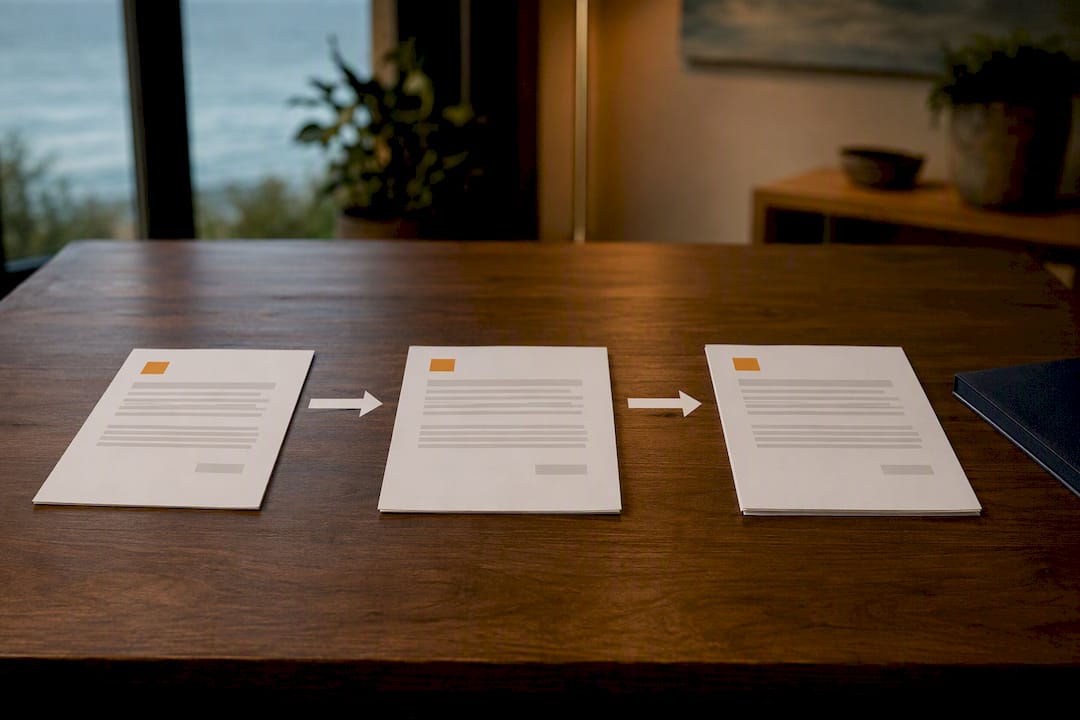
The most common real-world use is investor wholesaling. An investor puts a home under contract, then assigns that contract to another buyer, usually a rehabber or landlord, for a fee. But assignment shows up in less flashy ways too, like a buyer transferring equitable interest before closing for personal reasons, or occasionally in mortgage assignments where a lender's rights change hands.
A few things worth remembering before you sign anything:
- Assignability isn't automatic. It depends entirely on the language written into the purchase agreement itself.
- State rules vary, and some states restrict marketing a property you don't yet own.
- The assignment fee is the profit the assignor collects for passing the contract along, and it is separate from the sale price.
- Sellers aren't always aware assignment is happening unless the contract or escrow paperwork spells it out.
How Does an Assignable Purchase Agreement Actually Work?
Assignment follows a fairly predictable sequence, and knowing the order helps you spot where things typically go wrong.
- Sign the underlying purchase agreement. The contract needs permissive language, something like "buyer and/or assigns," or it needs to at least stay silent on assignment rather than prohibiting it outright.
- Find an end buyer. The assignor markets the contract (carefully, depending on state law) and collects proof of funds or financing pre-approval from the prospective assignee.
- Draft the assignment agreement. This document names the assignor, assignee, and references the original contract, spells out the assignment fee, and aligns escrow instructions with the closing date.
- Notify the seller and the title or escrow company. Depending on the contract and state, the seller may need to consent in writing, or at minimum be informed before closing.
- Close and collect. The assignment fee is typically disclosed and paid at closing through the settlement statement, and the assignee takes title directly from the seller.
That last step trips people up. Many assume two separate sales happen, one to the assignor and one to the assignee, but in a clean assignment, the seller only closes once, with the assignee.
Anti-Assignment Clauses and the Fine Print That Decides Everything
The single most important sentence in any purchase agreement is the one that says whether assignment is allowed at all. Permissive language usually reads like "Buyer and/or assigns," which gives the buyer broad freedom to transfer the contract. Restrictive language often requires "written consent of Seller, not to be unreasonably withheld," which puts the seller firmly in control.
Not every contract is assignable, and an anti-assignment clause isn't just a formality. Violating one can void the assignment entirely or expose the assignor to a breach-of-contract claim. If you're the assignor, look for:
- Whether the contract names assignment explicitly, permits it, or stays silent.
- Any requirement for seller approval and how much time the seller has to respond.
- Whether the assignment fee needs to be disclosed in escrow instructions.
Pro Tip: If you're negotiating the original purchase agreement and expect to assign it later, ask for a seller-approval window capped at 3 to 5 business days. Open-ended consent clauses can quietly kill a deal's timeline.
Who Takes on the Risk When a Contract Gets Assigned?
Every party in an assignment carries a different kind of exposure, and none of them are hypothetical.
The assignor doesn't automatically walk away clean. Unless the contract includes a release, or the parties execute a novation, the original buyer can still be on the hook if the assignee fails to close. The seller faces a different problem: an unfamiliar buyer with unknown financing, which is why many sellers insist on proof of funds or a consent requirement before agreeing to any assignment. The assignee inherits the contract's contingencies and financing constraints exactly as written, meaning any weak spot in the original deal becomes their weak spot too.
Sellers should weigh a real tradeoff: unknown buyer reliability against the convenience of a fast sale. A partner resource on wholesaling breaks down exactly why some sellers accept that risk and others walk away from it. Practical mitigations include:
- Requiring written seller approval before any assignment takes effect.
- Insisting on proof of funds from the assignee before closing.
- Using escrow to disclose the assignment fee openly rather than letting it hide in a side agreement.
Assignment vs. Novation vs. Double Closing: Which One Fits?
These three mechanisms solve a similar problem in very different ways, and picking the wrong one can cost you money or leave you legally exposed.
Assignment transfers the buyer's rights to a new party, but the original buyer often stays liable unless explicitly released. Novation replaces the original buyer entirely, extinguishing their liability by creating a brand-new contract between the seller and the new buyer, but it requires the seller's cooperation and paperwork most sellers aren't used to signing. Double closing, sometimes called simultaneous closing, avoids assignment altogether by running two separate closings back to back, which hides the assignment fee from the seller but adds a second round of closing costs and title work.
- Liability: Novation clears the assignor; assignment usually doesn't, unless released.
- Disclosure: Assignment often reveals the fee in escrow; double closing typically doesn't.
- Cost and timing: Double closing means two closings, two sets of fees, and more coordination.
Sellers wary of assignment fees sometimes push for a double close instead, even though it isn't cheaper for the buyer's side of the deal.
Does Assignment Law Change by State? A Texas Example
Contract language controls most assignment outcomes, but state rules add another layer on top. Some states restrict marketing a property before you've closed on it yourself, and disclosure expectations vary widely from one jurisdiction to the next.
Texas offers a useful illustration. State guidance requires written disclosure in certain contexts before a party sells or assigns their interest in a contract, and it adds notice obligations to sellers in specific situations. Including "and/or assigns" in the original agreement can satisfy that notice requirement in practice, which is why the phrase shows up so often in wholesaler paperwork.
- Read your state's specific rules before marketing an assigned contract.
- Don't assume language that works in one state carries the same legal weight in another.
- When the deal gets complicated, a real estate attorney or title company can catch issues before they become disputes.
A Practical Checklist Before You Sign or Accept an Assignment
Before any assignment closes, run through these checks in order:
- Sellers: confirm proof of funds from the assignee, get written consent if your contract requires it, and make sure the assignment fee shows up in escrow disclosures.
- Assignors: verify the contract's assignment language, and try to negotiate a release or novation so you're not holding liability after closing.
- Both sides: confirm the closing timeline and escrow logistics line up before signing the assignment agreement.
Pro Tip: If you're a homeowner who just wants certainty, and you'd rather skip vetting an unknown assignee altogether, selling directly to a cash buyer removes that variable entirely, since there's no second buyer to qualify.
When Assignment Makes Sense, and When It Doesn't
Assignment is a legitimate tool for investors who need speed and flexibility, but it adds a layer of complexity that not every seller wants to manage. If certainty matters more to you than maximizing upside, a direct cash sale or a traditional listing often serves you better than navigating someone else's exit strategy.
— Abel
A Straightforward Alternative If You'd Rather Skip the Uncertainty
If reading about anti-assignment clauses and assignee vetting made you tired just thinking about your own sale, that's the exact problem SLO Cash Buyer - San Luis Obispo County Home buyer exists to solve. Instead of waiting to see whether an assignor's buyer actually closes, or getting drawn into disclosure negotiations you didn't sign up for, you get one buyer, one offer, and one closing date you can count on.

A direct cash buyer purchases homes as-is, with no repairs, no cleaning, and no hidden fees, whether you're dealing with foreclosure, an inherited property, or a home that just needs to sell fast. This isn't a wholesaler passing your contract to another buyer down the line. It is a direct, fair cash offer with a flexible closing timeline you control. If a certain, no-surprises sale sounds better than managing assignment risk, reach out to a direct cash buyer to get a cash offer started today.
Where These Facts Came From
For deeper reading, see Investopedia on assignable contracts, Blueprint Title, UpCounsel, and Texas's statutory guidance on contract assignment. Always confirm details with local counsel or a title company.
This article is general information, not a substitute for advice from a qualified lawyer. Consult a qualified legal professional about your own circumstances before acting on anything here.
Sources
- Assignable Contract: Overview, Factors, Example — Investopedia
- What Is an Assignment Contract? — Blueprint Title
- Assignment of Contract Real Estate: A Clear Explanation — Wallace Law (Florida)
- Assigning real estate contracts — UpCounsel
- New Texas Assignment Law (guidance) — Texas example (TAMU doc)
FAQ
Who Pays the Assignment Fee in Real Estate?
The assignee (the new buyer) typically pays the assignment fee to the assignor, and it's commonly disclosed at closing through the title company's settlement statement.
What Are the Risks of Assigning a Purchase Agreement?
The assignor can remain liable if the assignee fails to close, the seller faces uncertainty about an unfamiliar buyer's financing, and the assignee inherits every contingency baked into the original contract.
Why Would Someone Assign a Real Estate Contract?
Investors assign contracts to profit from the difference between the contract price and what an end buyer will pay, without ever taking title themselves, which is the foundation of most wholesaling strategies.
Does Assignment Transfer Ownership of the Property?
No. Assignment transfers the buyer's contractual rights and obligations, not ownership. Ownership only transfers when the assignee closes directly with the seller.
Is a Direct Cash Sale a Simpler Alternative to Assignment?
For homeowners who want certainty over speed and complexity, selling directly to a cash buyer avoids assignment risk entirely, since there's no second buyer to qualify or vet.