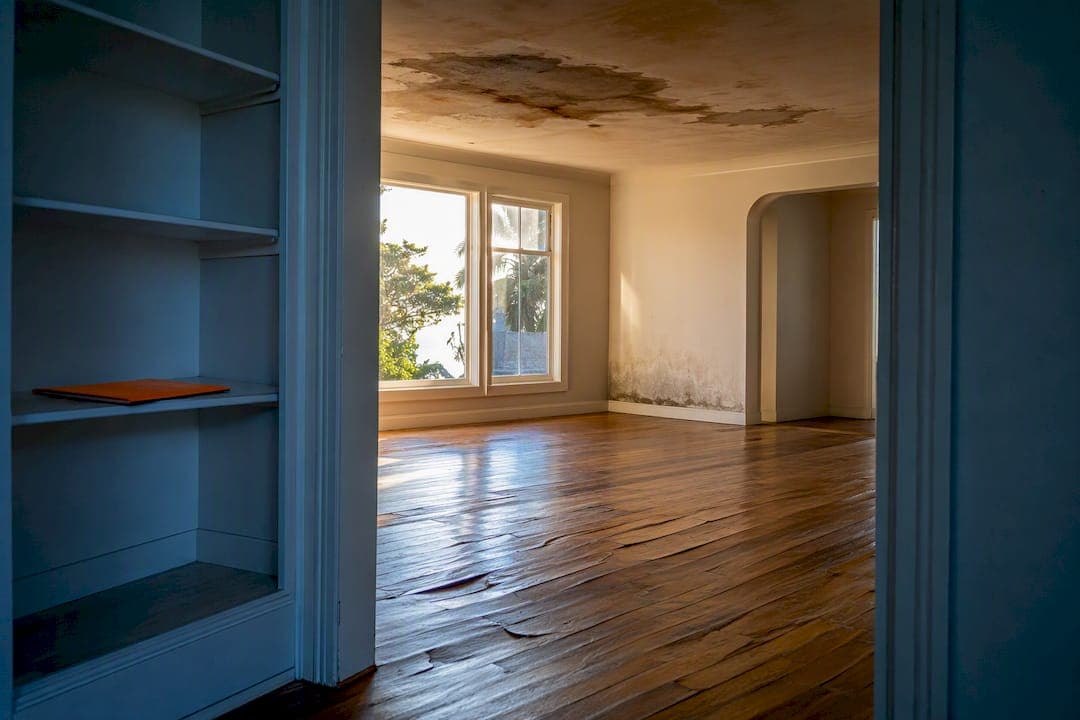
Yes, you can sell a house with water damage. You have two realistic paths: repair the cause and list traditionally to reach financed buyers, or sell as-is to a cash buyer when speed matters more than top dollar. Full disclosure is required in most states, and hiding known damage can expose you to lawsuits long after closing.
TL;DR:
- Selling as-is to a cash buyer is the quickest option, especially when repair costs are high or a fast closing is necessary.
- Most states require disclosure of water damage, including damage history, insurance claims, and affected areas, to prevent future legal issues.
- Accurate documentation with photos, professional reports, and receipts can defend against legal claims and help justify price adjustments.
- Repairs cost between $4,000 and $10,000 for common solutions like sump pumps or interior drainage, but may not recover their full value in sale price.
- Pricing should incorporate a reduction of 10% to 30% to account for buyer risk and financing constraints, especially in flood zones or with active moisture issues.
Table of Contents
- How to Assess Water Damage Before You Sell
- Do You Have to Disclose Water Damage to Buyers?
- Should You Repair the Damage or Sell As-Is?
- How Do You Price a Water-Damaged House?
- Where Do You Find Buyers for a Water-Damaged Home?
- What Documents Do Buyers Expect Before Closing?
- Does Flood History or Insurance Affect the Sale?
- How Do You Handle Buyer Objections and Closing Delays?
- What I've Learned Buying Water-Damaged Houses
- Get a Cash Offer Without Fixing a Thing First
- Where to Verify Flood and Disclosure Facts
- Sources
- FAQ
How to Assess Water Damage Before You Sell
Before you decide how to sell, figure out exactly what you're dealing with. A slow leak under a bathroom vanity is a different animal than a foundation that's taken on water for three seasons, and buyers (or their inspectors) will figure out which one you have.
Start with safety. If a pipe is actively leaking, shut off the water supply. If water has reached outlets, panels, or any wiring, cut power to that area before you do anything else, and don't run appliances in a flooded space. FEMA's guidance on cleaning up safely after a flood covers ventilation, protective gear, and when to call in a professional rather than handling it yourself.
Once it's safe, document everything.
- Take dated photos and video of every affected area, including baseboards, drywall, subfloor, and any visible mold.
- Write down what happened and when: the date you noticed it, the suspected cause, and any steps you took.
- Keep every receipt, even for a $40 dehumidifier rental.
For anything beyond a minor, one-time leak, bring in a professional. A moisture meter reading, a mold test, or a structural inspection for foundation and framing concerns gives you (and future buyers) a number to point to instead of a guess. Buyers increasingly expect to see a moisture report or a remediation clearance certificate before they'll take your word that the problem is solved.
Pro Tip: Take your documentation photos in daylight and include a dated newspaper, phone screen, or timestamp overlay in the frame. Buyers' agents will ask when the damage happened, and a verifiable date shuts that question down fast.

Do You Have to Disclose Water Damage to Buyers?
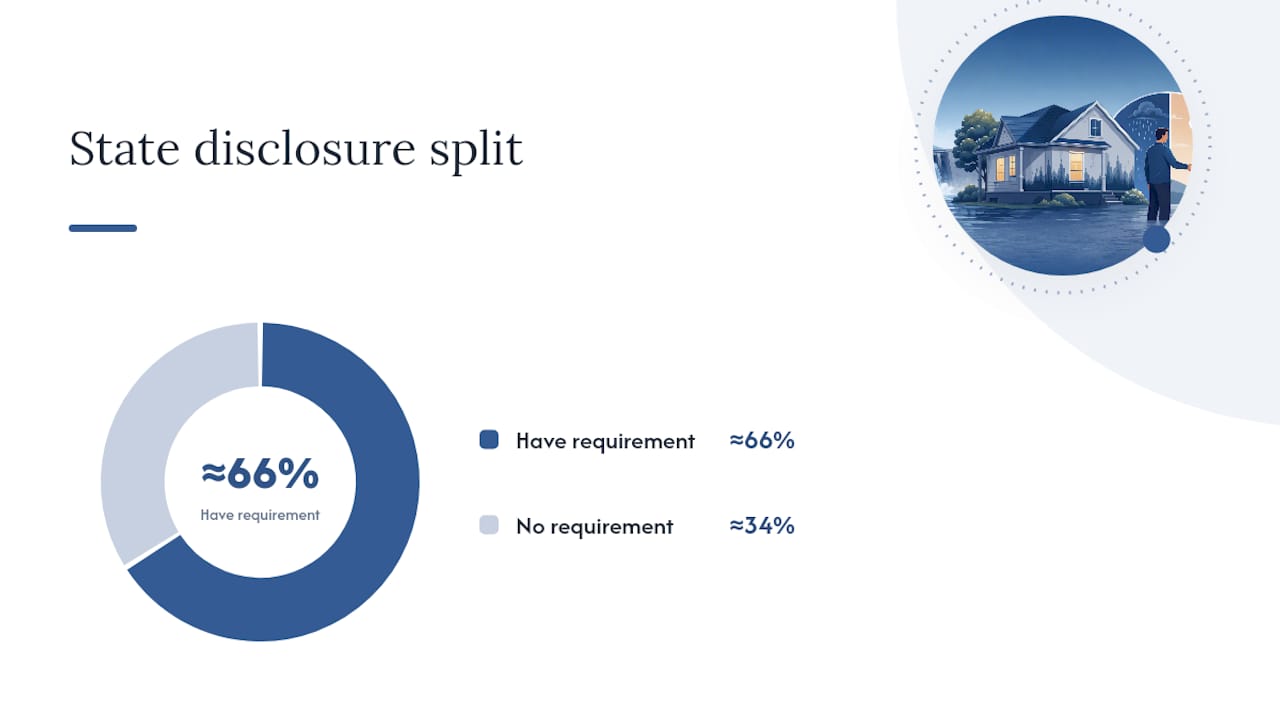
In most states, yes. Roughly two-thirds of U.S. states now require sellers to disclose known water damage, past flooding, or flood risk, and state disclosure rules vary in specifics but not in intent: if you know about it, you generally have to say so. Some states go further with specific statutory language. Florida's disclosure statute, for example, spells out exact checkbox items for flood history and federal assistance claims rather than leaving it to a seller's judgment.
Your disclosure form should cover more ground than "yes, there was water damage once." Buyers and their agents want specifics:
- Dates the damage occurred and how it was discovered.
- The source (roof leak, plumbing failure, groundwater, storm surge).
- Every area affected, not just the one that's visible now.
- Insurance claims filed, including anything that would show up on a CLUE report.
- Contractor names, permit numbers, and remediation or clearance certificates.
Roughly two out of every three states now have explicit flood or water-damage disclosure requirements on the books, which means the odds are high that your state is one of them.
Skipping disclosure doesn't make the risk disappear. It just moves it further down the road. Buyers who discover undisclosed damage after closing can demand repairs, pursue rescission of the sale, or file a lawsuit for damages. A seller who kept photos, invoices, and a clear timeline has a real defense. A seller with nothing in writing does not. For California sellers specifically, it's worth reviewing current state disclosure requirements, since the specific forms and language change from year to year.
Should You Repair the Damage or Sell As-Is?
This is the decision that shapes everything else, from your price to your buyer pool to how many weeks you'll spend on this. Here's how to think it through.
- Get a real number on the fix. Call a contractor for an actual quote, not a guess, to understand how interior doors add value as part of your home's repair and upgrade considerations. Interior French drain and sump pump systems commonly run $4,000 to $10,000, while exterior excavation and waterproofing cost considerably more. Simple humidity or grading fixes can run far less.
- Compare that cost to the price lift. A CMA that includes comparable homes without damage tells you roughly what a full repair would recover. If the repair costs more than it recovers, repair-first stops making sense.
- Factor in time, not just money. Repairs mean permits, contractor schedules, and possibly living through construction. As-is sales close in a fraction of the time.
- Weigh the buyer pool. Repaired homes with clean documentation attract financed buyers and sail through appraisals. Unrepaired homes narrow your pool to cash buyers, investors, and flippers.
- Check for habitability issues. Active mold, compromised framing, or electrical hazards can make a home difficult to finance at all, regardless of price.
Repair-first works when the fix is affordable, the cause is fixed permanently, and you can supply permits and receipts. Selling as-is works when repair costs are steep, you need to move quickly, or you'd rather not manage contractors on a house you're leaving anyway.
Pro Tip: Get two contractor bids before choosing a path. A single quote can be inflated or overly conservative, and a second opinion often reveals a cheaper fix you didn't know existed.
How Do You Price a Water-Damaged House?
Start with what the home would sell for in good condition, based on a comparative market analysis using closed sales of similar properties. Then subtract twice: once for the actual repair cost, and again for the uncertainty buyers feel about a problem they can't fully verify.
That second discount is the one sellers underestimate. Buyers aren't just pricing in the contractor's invoice. They're pricing in the risk that the problem comes back, that there's damage the inspector missed, or that the "fix" wasn't done right. Selling as-is commonly results in offers 10% to 30% below comparable move-in-ready homes, with the size of that gap driven by how severe and how recent the damage looks.
Financing adds another wrinkle. FHA and VA loans carry stricter property condition standards than conventional loans, and an appraiser who flags active moisture, mold, or structural concerns can stall or kill a deal outright. That effectively shrinks your buyer pool to conventional-loan buyers and cash buyers unless the issue is resolved before you list.
A few pricing tactics that work in practice:
- Pull comps that include homes with disclosed, resolved water damage, not just pristine houses, so your price reflects an apples-to-apples market.
- Get a written contractor estimate and use it to justify a specific price adjustment rather than an arbitrary discount.
- Offer a repair credit at closing instead of rushing a repair job before you list. Buyers often prefer control over the contractor to a hasty fix they can't verify.
Where Do You Find Buyers for a Water-Damaged Home?
Your buyer channel should match the path you picked. Trying to sell an unrepaired, undisclosed-condition house through a conventional listing to first-time buyers with an FHA loan is a recipe for a collapsed deal at the appraisal stage.
If you've repaired the cause and have documentation ready, a traditional agent listing works well. Look specifically for an agent who has handled distressed or disclosure-heavy sales before. They'll know how to frame the repair story instead of burying it in fine print.
If you're selling as-is, cash buyers and investors are your market. A few things worth doing before you sign anything:
- Verify the buyer is legitimate: ask for proof of funds and check for a real business history.
- Get offer terms in writing, including price, closing costs, and who pays them.
- Confirm the closing timeline matches what you actually need.
A hybrid move that works well in practice: get a no-obligation cash offer as a baseline while your agent tests the traditional market. That gives you a real number to compare against a listed sale's net proceeds after repairs, commissions, and carrying costs, rather than guessing which route nets more. Whichever route you choose, understanding how cash buyers structure fast purchases helps you evaluate any offer you receive.
What Documents Do Buyers Expect Before Closing?
The single best thing you can do to speed up a sale is hand buyers a packet instead of making them ask twenty questions. Assemble:
- Dated photos and a simple written timeline of the damage and repairs.
- Remediation or mold clearance reports from a licensed professional.
- Contractor invoices and any pulled permits.
- A summary of insurance claims filed, if any.
- Transferable warranties on completed repair work.
A pre-listing inspection or a targeted moisture test, done before you list, gives you a number to price against instead of letting a buyer's inspector deliver a surprise mid-contract. Restoration professionals consistently find that buyers fear the unknown more than the damage itself: a well-organized file often does more to calm negotiations than the repair work alone.
Pro Tip: Put a one-page summary on top of the packet: date of damage, cause, repairs completed, and who did them. Buyers skim the summary first and only dig into the backup documents if something concerns them. The full checklist approach mirrors what works for any as-is home sale, water damage or otherwise.
Does Flood History or Insurance Affect the Sale?
Insurance claims leave a paper trail whether you disclose them or not. CLUE reports track claims history and insurers can pull them on a property, so a buyer's insurance company may see a claim you didn't mention. Disclose any filed claims and summarize what happened and what was repaired.
Flood-zone status matters just as much. Check FEMA's National Flood Hazard Layer to confirm your property's actual flood-zone designation before a buyer's lender does it for you. A home in a mapped flood zone usually requires flood insurance as a loan condition, and that added cost narrows your buyer pool and factors into their offer.
Standard homeowners insurance generally does not cover flood damage, a gap many sellers discover only after a claim gets denied. If you received federal disaster assistance or filed an NFIP claim, keep the dates and agency paperwork. Buyers and their lenders may ask for it directly.
How Do You Handle Buyer Objections and Closing Delays?
Expect at least one of three buyer requests: immediate repairs, an escrowed repair credit, or a straight price reduction. Escrowed credits tend to work best for both sides. They let the buyer control the contractor while giving you a clean closing.
Watch for these failure points:
- Appraisal problems. An appraiser who flags active moisture or structural concerns can trigger a lender to require repairs before funding. A pre-list inspection catches this before it becomes a closing crisis.
- Lien risk. If you completed repairs before selling, get signed lien releases from every contractor. An unpaid subcontractor can file a lien against the property even after you've sold it.
- Vague contract language. Any agreed-upon credit or repair needs to be written into the contract with a specific dollar figure and deadline, not a handshake promise.
Documented repairs with permits and receipts head off most of these problems before they start.
What I've Learned Buying Water-Damaged Houses
Homeowners almost always make the same mistake: they either hide the damage and hope no one notices, or they panic and dump thousands into repairs they can't afford before checking whether it's worth it. Neither approach serves you well.
If you're dealing with water damage right now, do three things in order. First, handle safety: stop active leaks, cut power to affected areas if needed. Second, document everything with photos, dates, and any professional reports you can get. Third, decide your route: repair for a bigger buyer pool, or sell as-is if speed and simplicity matter more.
Use the documentation packet checklist above regardless of which path you take. If you're still unsure which route nets you more, it's worth getting a second opinion before you commit.
*— Abel
Get a Cash Offer Without Fixing a Thing First
If repair costs, contractor schedules, or a shrinking buyer pool have you leaning toward speed over top dollar, A local cash buyer buys houses in any condition, water damage included, without asking you to fix, clean, or stage anything first.

That matters most for sellers facing a tight timeline: pending foreclosure, an inherited property nobody wants to renovate, or a rental with damage a tired landlord doesn't have the energy to chase down. Instead of collecting contractor bids and waiting on a buyer's financing to clear, you can get a straightforward cash offer with no repair requirements, no agent commissions, and no hidden fees. Closing timelines can be flexible, potentially built around what works for sellers rather than a lender's schedule.
Getting started is simple. Share some basic details about the property and its condition, including what you know about the water damage, and expect a fair, no-obligation cash offer back quickly. If a traditional listing still makes sense for your situation, the buyer can also connect you with a licensed agent for a potential higher sale price. Either way, you can request your offer directly through SLO Cash Buyer and see your real numbers before deciding anything.
Where to Verify Flood and Disclosure Facts
- FEMA's National Flood Hazard Layer confirms flood-zone status for any address.
- Florida's statutory flood disclosure language shows how detailed some state forms have become.
- Insurance Information Institute data covers homeowners insurance and claims history basics.
This article is general information, not a substitute for advice from a qualified lawyer. Consult a qualified legal professional about your own circumstances before acting on anything here.
Sources
- Harvard JCHS — More states requiring landlords disclose flood risk; laws vary nationwide
- FEMA — National Flood Hazard Layer
- EffectiveAgents — Selling a house with a wet basement (cost ranges and guidance)
- Insurance Information Institute — homeowners and renters insurance facts
- Total Dry Restoration — Selling house with water damage guidance
FAQ
Can You Sell a House With Water Damage?
Yes. You can repair the cause and list traditionally to reach financed buyers, or sell as-is to a cash buyer or investor if you need speed or can't fund repairs upfront.
Do Sellers Have to Disclose Water Damage?
In most states, yes. Roughly two-thirds of states require sellers to disclose known water damage, past flooding, or related insurance claims, and hiding known issues can lead to lawsuits after closing.
Can You Be Sued for Selling a House With Mold and Not Disclosing It?
Yes. If you knew about mold or the water damage that caused it and didn't disclose it, a buyer can pursue repair demands, rescission, or a lawsuit, which is why documenting mold's effect on price upfront protects you far more than staying silent.
How Hard Is It to Sell a House in a Flood Zone?
It's harder but not impossible. Homes in mapped flood zones usually need flood insurance as a loan condition, which narrows the buyer pool and often lowers offers, so checking your zone status on FEMA's flood maps before you list helps you set realistic expectations.
What's the Fastest Way to Sell a Water-Damaged House?
Selling as-is to a cash buyer is typically the fastest route, since it skips repairs, financing contingencies, and lengthy appraisal negotiations that come with a traditional financed sale.