
Selling a rental property is defined as the transfer of an income-producing asset, which triggers tax obligations, tenant rights considerations, and market timing decisions that standard home sales do not face. Understanding how selling rental property works means recognizing that your tax bill, your tenant's lease, and your target buyer type all shape the final outcome. Landlords who plan early consistently net more money and close with fewer surprises. This guide covers the full process, from capital gains and depreciation recapture to tenant negotiations and closing logistics, so you can exit your rental business with confidence.
What are the tax implications when selling a rental property?
Tax liability on a rental property sale goes far beyond subtracting your purchase price from your sale price. The IRS calculates your gain based on your adjusted basis, which accounts for the original purchase price, capital improvements, and all depreciation you claimed over the years. Tax liability includes complex interactions of adjusted basis, depreciation, and Section 1231, 1245, and 1250 asset classifications. Most landlords are surprised to learn how much depreciation reduces their basis and raises their taxable gain.
Capital gains tax rates on long-term rental property sales fall into three brackets: 0%, 15%, or 20%, depending on your income. That rate applies only to the appreciation portion of your gain. The depreciation portion gets taxed separately under depreciation recapture rules.
Federal depreciation recapture is capped at 25%, with an additional 3.8% Net Investment Income Tax for high earners, pushing the effective rate to 28.8% before state taxes apply. That means a landlord who claimed $80,000 in depreciation over 15 years could owe more than $23,000 in recapture tax alone. State income taxes stack on top of that figure.
Here are the key tax categories every landlord must understand before selling:
- Adjusted basis: Your original purchase price, plus improvements, minus all depreciation claimed.
- Section 1231 gains: The net gain from selling business property held more than one year, taxed at long-term capital gains rates.
- Section 1245 recapture: Applies to personal property and certain improvements depreciated faster than straight-line.
- Section 1250 recapture: Applies to real property and is taxed at the 25% unrecaptured rate.
- Net Investment Income Tax (NIIT): A 3.8% surcharge on investment income for taxpayers above certain income thresholds.
Two tax strategies stand out for landlords who want to reduce their bill. A 1031 exchange lets you defer all capital gains and recapture taxes by reinvesting proceeds into a like-kind property within strict IRS deadlines. Cost segregation can accelerate depreciation during ownership but creates complex dual recapture calculations at sale involving both Section 1245 and Section 1250 assets. Use cost segregation only with a CPA who specializes in rental property taxation.
Pro Tip: Hire a CPA who focuses on real estate before you list the property. A pre-sale tax model can reveal whether a 1031 exchange, installment sale, or outright sale produces the best after-tax result for your situation.

How do tenant leases and rights affect the sale of a rental property?
A buyer purchases your rental property subject to any existing lease. The new owner must honor the lease terms until the lease expires, regardless of their plans for the property. This legal reality shapes who will buy your property and at what price.
The type of lease in place matters significantly. Fixed-term leases bind both the tenant and the new owner until the agreed end date. Month-to-month leases give the new owner more flexibility, since they can typically terminate with proper written notice under state law. Knowing which lease type you have helps you plan your sale timeline.
- Review all lease agreements before listing. Confirm end dates, rent amounts, and any special clauses like right of first refusal.
- Check your state's notice requirements for showings. States generally require 24–48 hours written notice before entering a tenant-occupied property for showings. Failure to comply can cause legal delays or force cancellations.
- Notify your tenant of your intent to sell as early as possible. Transparent communication about sale plans and lease continuation increases tenant cooperation for showings and inspections.
- Confirm security deposit handling with your attorney. Proper transfer of lease agreements and security deposits is critical at closing when selling tenant-occupied rentals.
- Negotiate early move-out if needed. Some landlords offer cash-for-keys or lease buyouts to encourage tenants to vacate before the sale closes.
Pro Tip: Put every tenant communication in writing. Texts and emails create a clear record if a dispute arises during the sale process.
Tenant cooperation directly affects your sale timeline. A tenant who refuses showings or leaves the property in poor condition can cost you weeks and thousands of dollars. Treating tenants with respect and honesty is not just the right thing to do. It is also good financial strategy.
Should you sell your rental occupied or vacant?
The occupied versus vacant decision is one of the most consequential choices a landlord makes when exiting the rental business. Each path attracts a different buyer type, and buyer type drives price.
Tenant-occupied properties attract investors who value immediate cash flow. Investors typically pay less than owner-occupants because they factor in management costs, vacancy risk, and required returns. Vacant properties appeal to owner-occupants, who often pay a premium because they plan to live in the home and do not need to calculate rental yields.
Vacant rental properties often sell faster and at higher prices, but may require 30–90 days to prepare for market. That preparation window includes repairs, cleaning, painting, and staging. The cost of that work, plus lost rental income during vacancy, must be weighed against the higher sale price.
The right choice depends on your local market and your financial position. In a market with strong investor demand, selling occupied may produce a quick, clean sale. In a market dominated by first-time buyers and owner-occupants, waiting for the lease to expire and selling vacant likely produces a better outcome. A real estate agent familiar with investor versus owner-occupant dynamics can help you read your local market accurately.
What practical steps lead to a successful rental property sale?
A successful sale requires coordinating legal, financial, and logistical details at the same time. Skipping any one of them creates delays, disputes, or money left on the table.
- Get a pre-sale appraisal. Understanding your property's current market value helps you set a realistic price from day one. Overpriced rental properties sit on the market and attract lowball offers later.
- Address critical repairs before listing. Deferred maintenance signals neglect to buyers and gives them ammunition to negotiate your price down. Fix what is visible and document what you disclose.
- Coordinate showings carefully. Schedule showings around tenant schedules where possible. Give proper written notice every time. Consistent professionalism keeps tenants cooperative throughout the process.
- Work with an agent who knows tenant-occupied sales. Working with an experienced agent familiar with tenant-occupied sales can increase final sale price by 15–20%. That expertise pays for itself many times over.
- Negotiate contract terms carefully. Inspection contingencies, closing timelines, and tenant-related representations all carry risk. Avoid common negotiation mistakes by reviewing every clause with your agent and attorney before signing.
- Plan your closing logistics. Confirm that lease assignments, security deposit transfers, and prorated rent calculations are handled correctly at closing. Errors here can trigger post-closing disputes.
Marketing a rental property also requires a different approach than marketing a primary residence. Listing descriptions should highlight rental income history, cap rate, and lease terms for investor buyers. If you are targeting owner-occupants, emphasize the property's condition and neighborhood. Matching your marketing message to your target buyer shortens your time on market.
Key Takeaways
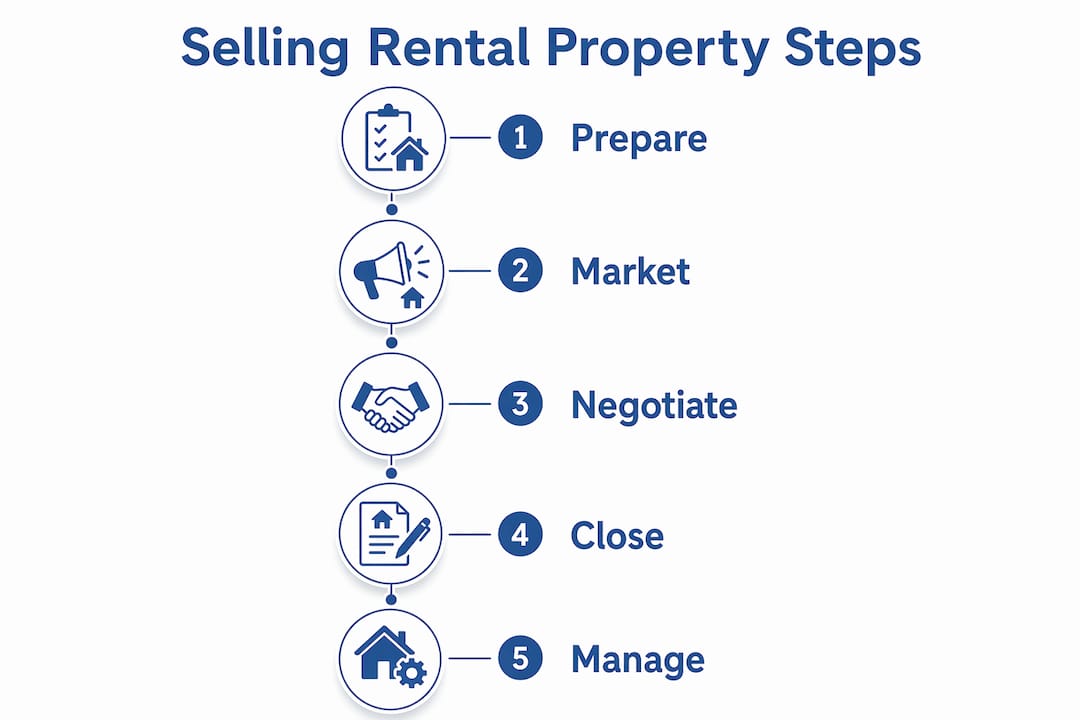
Selling a rental property requires early tax planning, clear tenant communication, and a deliberate choice between selling occupied or vacant based on your target buyer type.
| Point | Details |
|---|---|
| Tax complexity is high | Depreciation recapture, capital gains, and NIIT can combine to create a tax bill far larger than most landlords expect. |
| Tenant leases transfer with the sale | Buyers inherit existing leases, so fixed-term agreements directly limit your buyer pool and sale price. |
| Occupied vs. vacant is a strategic choice | Investor buyers favor occupied properties; owner-occupants pay more for vacant ones. |
| Agent expertise matters | An agent experienced in tenant-occupied sales can increase your final price by 15–20%. |
| Early planning reduces surprises | Pre-sale tax modeling and lease review before listing prevents costly last-minute problems. |
What I've learned after watching landlords sell the hard way
Most landlords I work with underestimate two things: how much they owe in taxes and how much their tenant's attitude affects the sale. Both surprises are avoidable with early preparation.
The tax shock is the bigger one. Landlords focus on appreciation and forget that every year of depreciation they claimed reduces their adjusted basis. When they sell, the IRS collects on all of it. I have seen landlords walk away with far less than they expected simply because they did not run the numbers before listing. A CPA consultation three to six months before listing is not optional. It is the most valuable thing you can do.
The tenant dynamic surprises people too. A cooperative tenant who keeps the property clean and welcomes showings is a genuine asset. An uncooperative tenant who leaves dishes in the sink and ignores your calls can kill deals. The difference almost always comes down to how the landlord handled the initial conversation. Honesty and respect go a long way. Tell your tenant what is happening, reassure them their lease is valid, and give them as much notice as possible.
The occupied versus vacant decision deserves more thought than most landlords give it. High-net-worth investors sometimes relocate to no-income-tax states years before a rental sale to reduce state-level recapture taxes. That level of planning feels extreme until you see the numbers. The point is that the best sellers treat this as a financial event requiring a plan, not just a transaction requiring a sign in the yard.
— Abel
Selling your San Luis Obispo rental without the usual headaches
Landlords who want to exit the rental business quickly often find that the traditional listing process creates more stress than it solves. Tenant coordination, repairs, agent timelines, and uncertain closing dates add up fast.

SLO Cash Buyer - San Luis Obispo County Home buyer purchases rental properties in any condition, with tenants in place or vacant, for cash. There are no repair requirements, no agent commissions, and no lengthy negotiations. If you own a rental property in San Luis Obispo County and want a straightforward exit, you can get a fair cash offer without any of the usual friction. Visit SLO Cash Buyer to request your offer and see how fast a clean, simple sale can close.
FAQ
What taxes do you pay when selling a rental property?
You pay capital gains tax on appreciation at 0%, 15%, or 20% depending on your income, plus depreciation recapture tax capped at 25%, and a 3.8% Net Investment Income Tax if you are a high earner.
Can you sell a rental property with tenants still living there?
Yes. The buyer inherits the existing lease and must honor it until it expires. Fixed-term leases limit your buyer pool to investors, while month-to-month leases give the new owner more flexibility.
How much notice do you need to give tenants before showings?
Most states require 24–48 hours written notice before entering a tenant-occupied property for showings. Check your state's specific landlord-tenant law to confirm the exact requirement.
What is a 1031 exchange and how does it help rental sellers?
A 1031 exchange lets you defer capital gains and depreciation recapture taxes by reinvesting your sale proceeds into a like-kind investment property within IRS-mandated deadlines. It does not eliminate the tax; it postpones it until you sell the replacement property.
Does selling vacant or occupied get a higher price?
Vacant properties typically command higher prices from owner-occupants, while occupied properties appeal to investors who prioritize immediate rental income. The best choice depends on your local buyer market and your financial timeline.